 Arctic Council Working Group
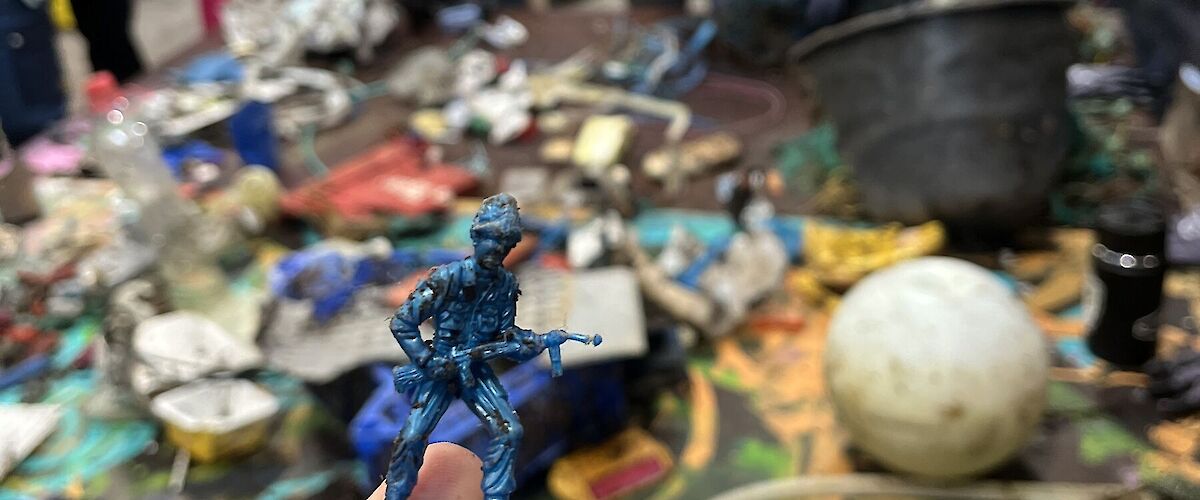
Third Plastics Symposium in Iceland a success
Arctic marine litter · Atlantic Plastics 2026
Atlantic Plastics 2026: from knowledge to action on plastic pollution, from the Arctic to the Antarctic
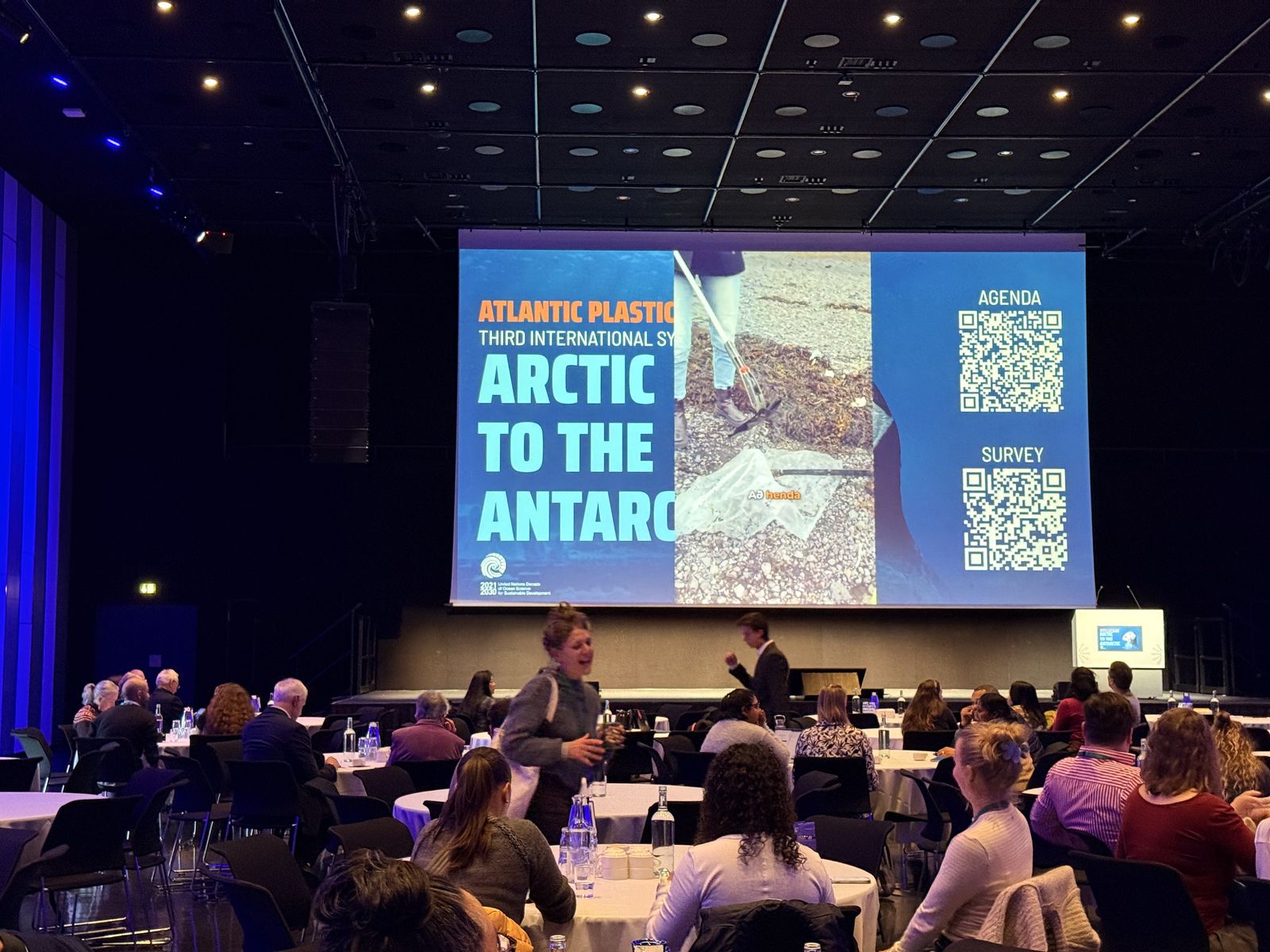
Around 200 scientists, policymakers, Indigenous representatives, industry leaders and practitioners gathered at Harpa in Reykjavík on 20–22 October 2026 for Atlantic Plastics 2026, the Third International Symposium on Marine Plastic Pollution. PAME was proud to be one of the organising partners.

Hosted by the Government of Iceland, the symposium built on the first Arctic Plastics Symposium, held online in 2021, and the second, held at Harpa in 2023. Over three days, the program moved from how plastic pollution is measured and where it comes from, through its impacts on wildlife and communities, to the policies, technologies and partnerships needed to prevent it. The final day turned that knowledge into concrete priorities for action.
PAME's role
PAME (Protection of the Arctic Marine Environment), the Arctic Council working group on marine environmental protection, was one of the organising partners of Atlantic Plastics 2026. The symposium is part of PAME's 2025–2027 Work Plan.
Three days, three steps from evidence to action
The highlights below are condensed from the daily summaries published on the Atlantic Plastics website, prepared from the reports of each day's sessions.
Monitoring, sources and pathways
After the opening plenary, parallel sessions examined how plastic pollution is measured, where it comes from and how it moves through the environment. New indicators, drones, artificial intelligence and citizen science are improving monitoring, with more than one million litter observations recorded in Norway alone. Sources differ widely between regions, from wastewater in Greenland to packaging in northern Canada and fisheries in Irish and Icelandic waters, underlining the need for locally grounded responses.
From impacts to action
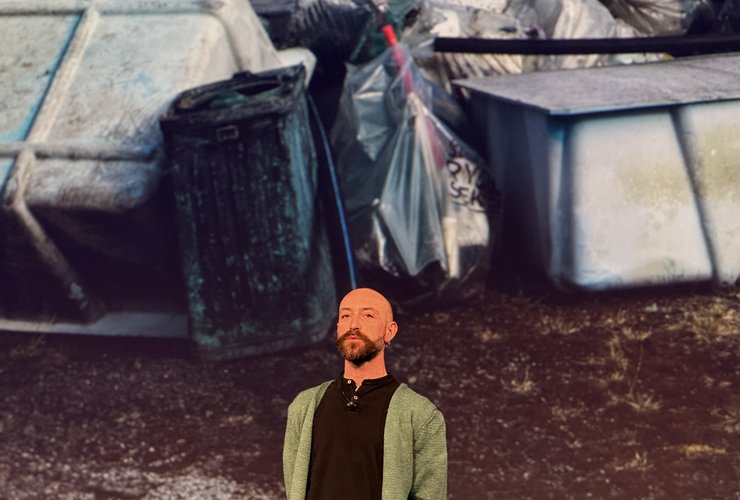
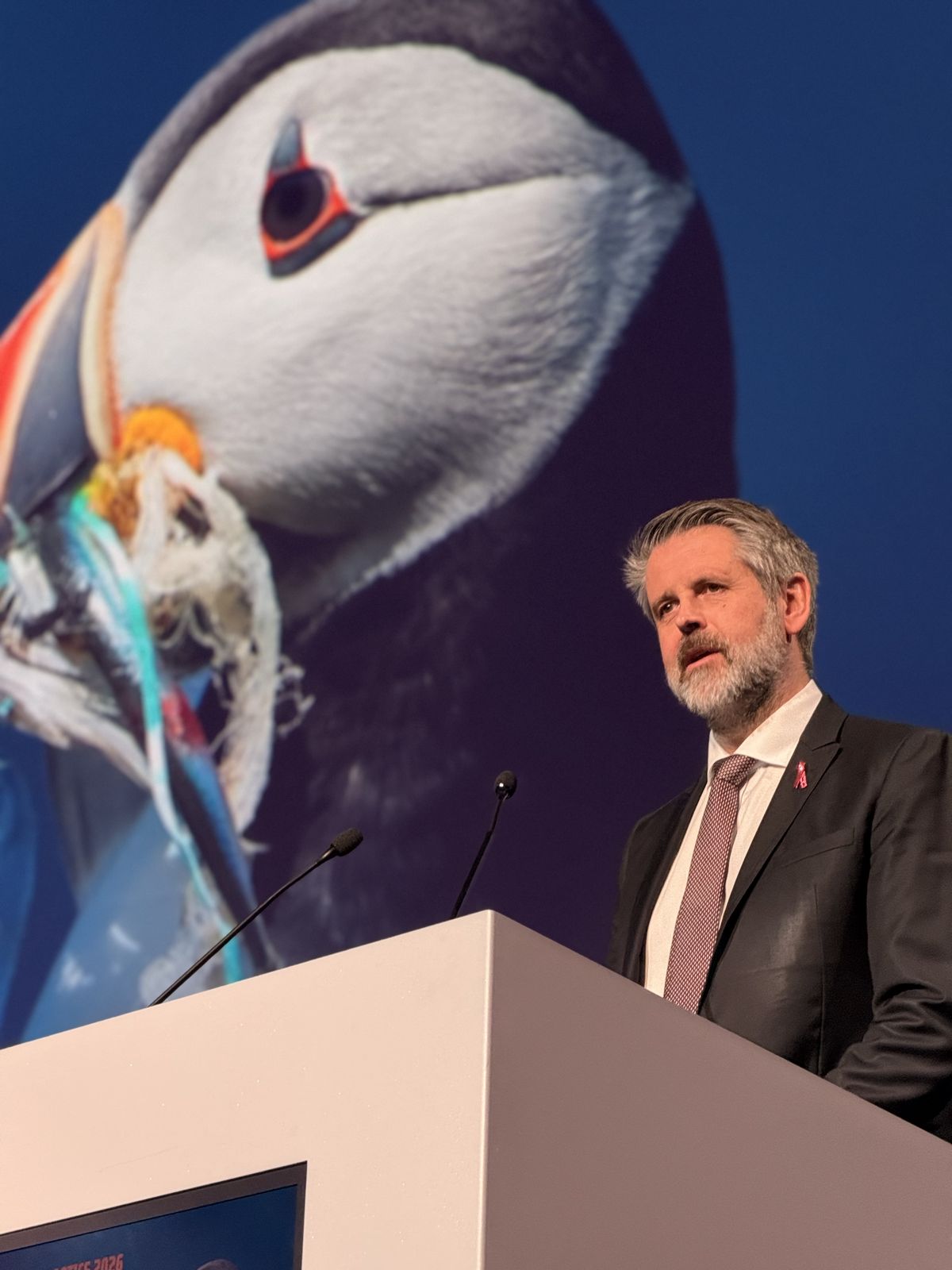
Four themes covered impacts, circular economy, mitigation and the science–policy interface. Plastic was found in every gannet nest examined on Iceland's Eldey island, and Norwegian aquaculture alone holds an estimated 302,000 tonnes of plastic. Speakers agreed that the evidence is already strong enough to justify action, and highlighted gear marking, Extended Producer Responsibility, community-led programmes and monitoring designed around clear policy needs.
From knowledge to action
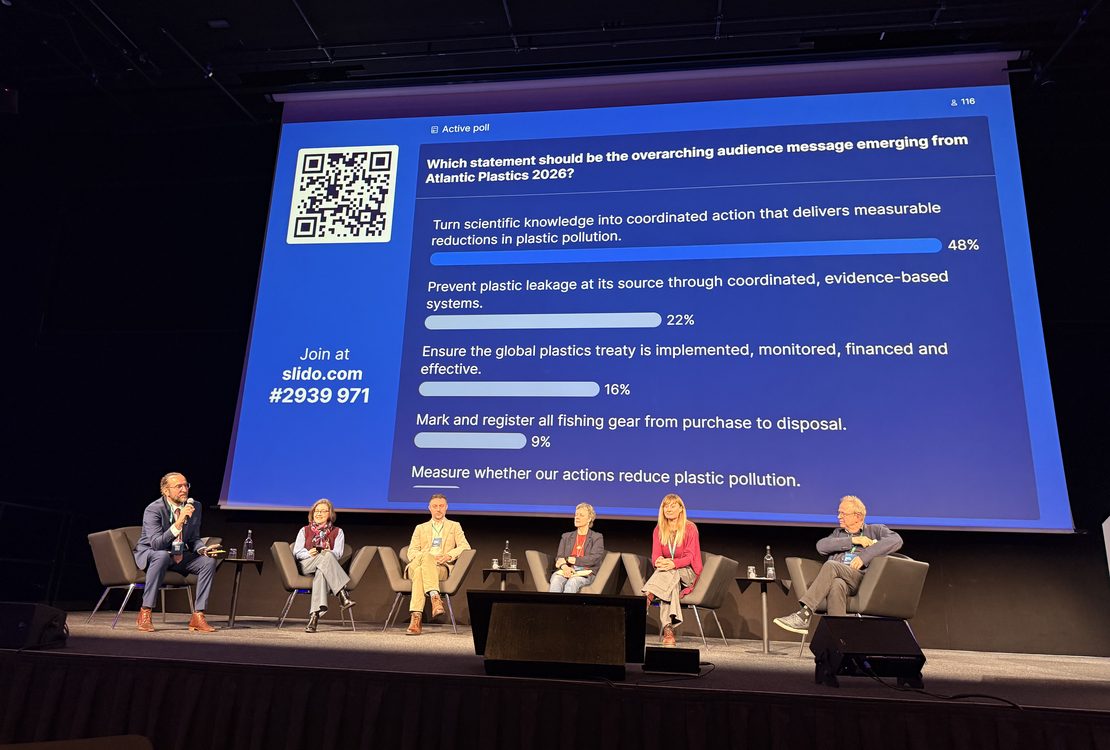
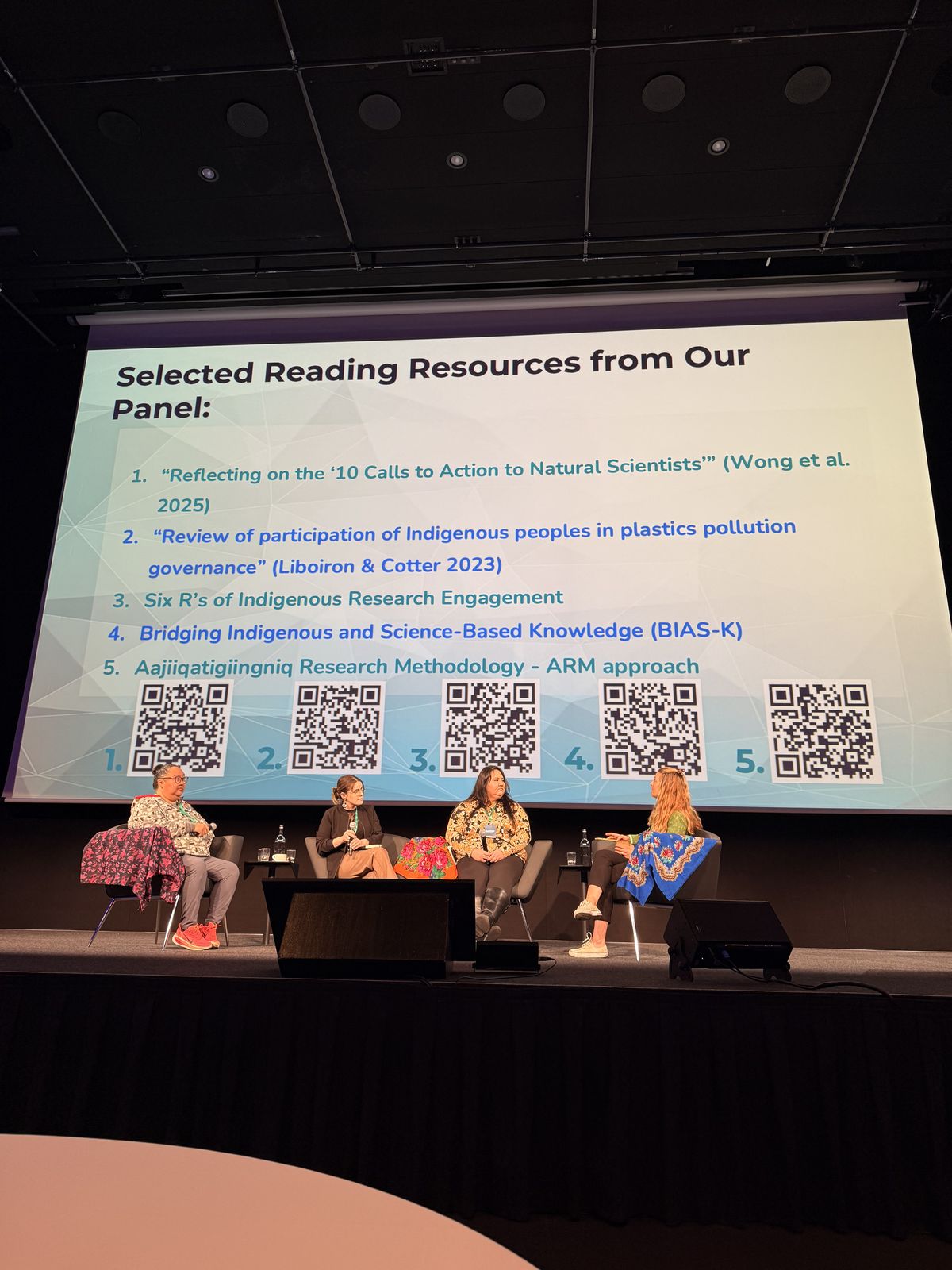
Panels on Indigenous approaches and circular fishing-gear systems were followed by the interactive "From Knowledge to Action" discussion, informed by 116 survey responses from participants. Prevention at the source, fair sharing of responsibility by producers, and clear routes for scaling up successful pilots were recurring themes.
Key messages from Reykjavík
- Act on what we know. The evidence on plastic pollution is already strong enough to justify action; the task now is to use it to prevent pollution.
- Prevent at the source. Reducing unnecessary plastic production and use is more effective than relying on waste management alone.
- Share responsibility fairly. Producers, governments, industries and communities all have a role, and Extended Producer Responsibility should reflect real costs, including clean-up.
- Build on local and Indigenous knowledge. Communities help identify sources and hotspots, and Indigenous knowledge should be treated as equal to Western science.
- Design monitoring for decisions. Harmonised, comparable data that answers clear policy questions shows whether interventions are working.
- Cooperate across borders. No country can address plastic pollution alone, and international cooperation remains essential.
The symposium closed with a clear call: effective solutions to Arctic and Atlantic plastic pollution already exist. The challenge ahead is to connect them, fund them properly and ensure that responsibility is shared across governments, producers, industries and communities. PAME thanks the Government of Iceland, the Icelandic Arctic Cooperation Network, the Scientific Steering Committee and all speakers, moderators, rapporteurs and participants who made Atlantic Plastics 2026 a success.
Read the full daily summaries, speaker bios and program on the Atlantic Plastics website.
Daily summaries Program and speakers