 Arctic Council Working Group

Abandoned Lost or otherwise Discarded Fishing Gear (ALDFG)
The issue of Abandoned, Lost, or otherwise Discarded Fishing Gear (ALDFG) in the Arctic is a growing concern, impacting both marine ecosystems and fisheries sustainability. ALDFG contributes significantly to marine litter, affecting fish stocks, marine biodiversity, and coastal communities. The Arctic region presents unique challenges due to harsh environmental conditions, extensive coastlines, and the transboundary nature of its waters. Efforts to address ALDFG in the Arctic involve a combination of regulatory measures, industry practices, and scientific research.
Arctic states implement different approaches to mitigate ALDFG, including gear marking requirements, reporting and retrieval programs, and innovations in gear technology. International organizations, such as the International Maritime Organization (IMO) and the Food and Agriculture Organization (FAO), also play a key role in supporting sustainable fishing practices and reducing gear loss.
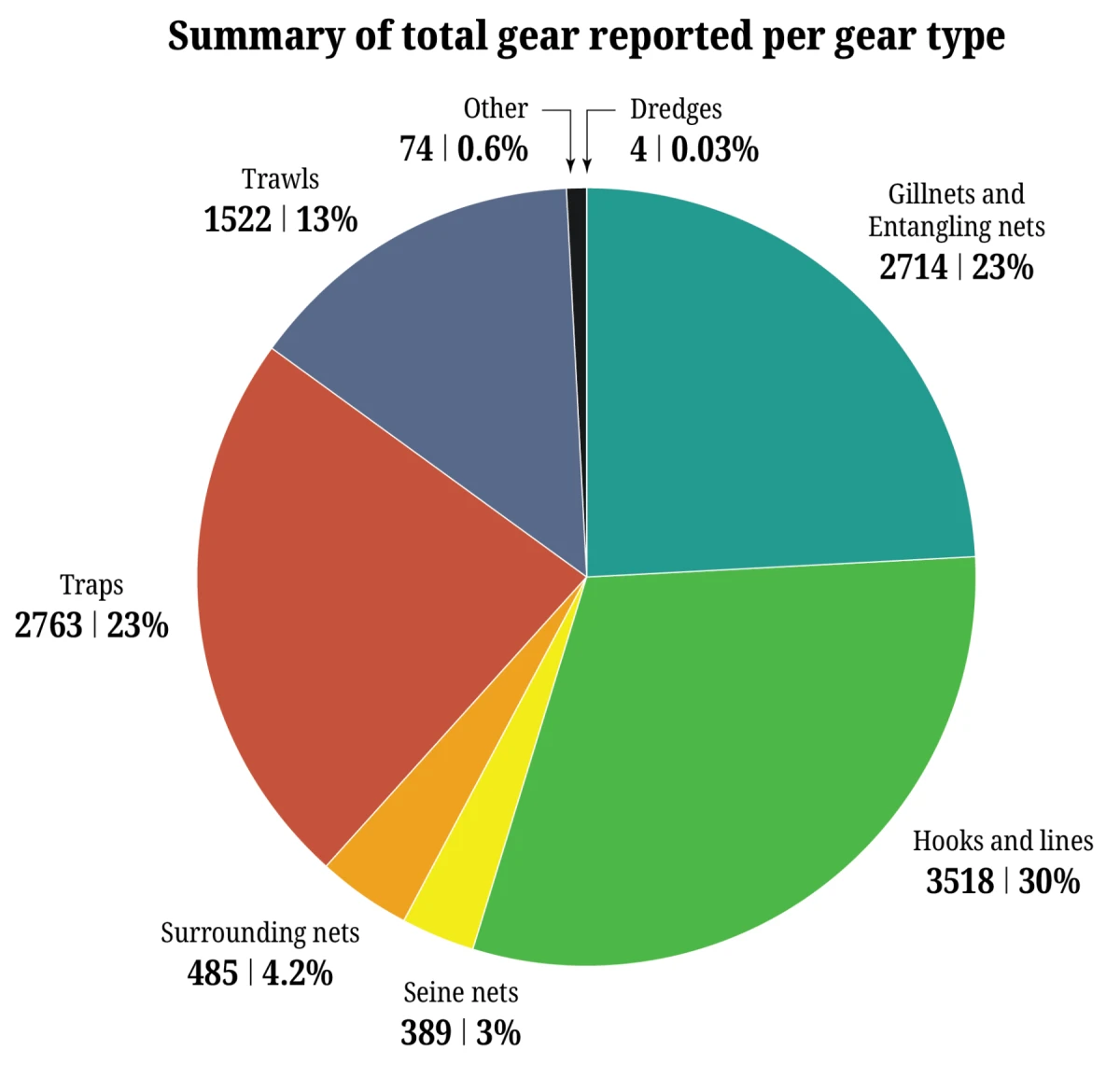
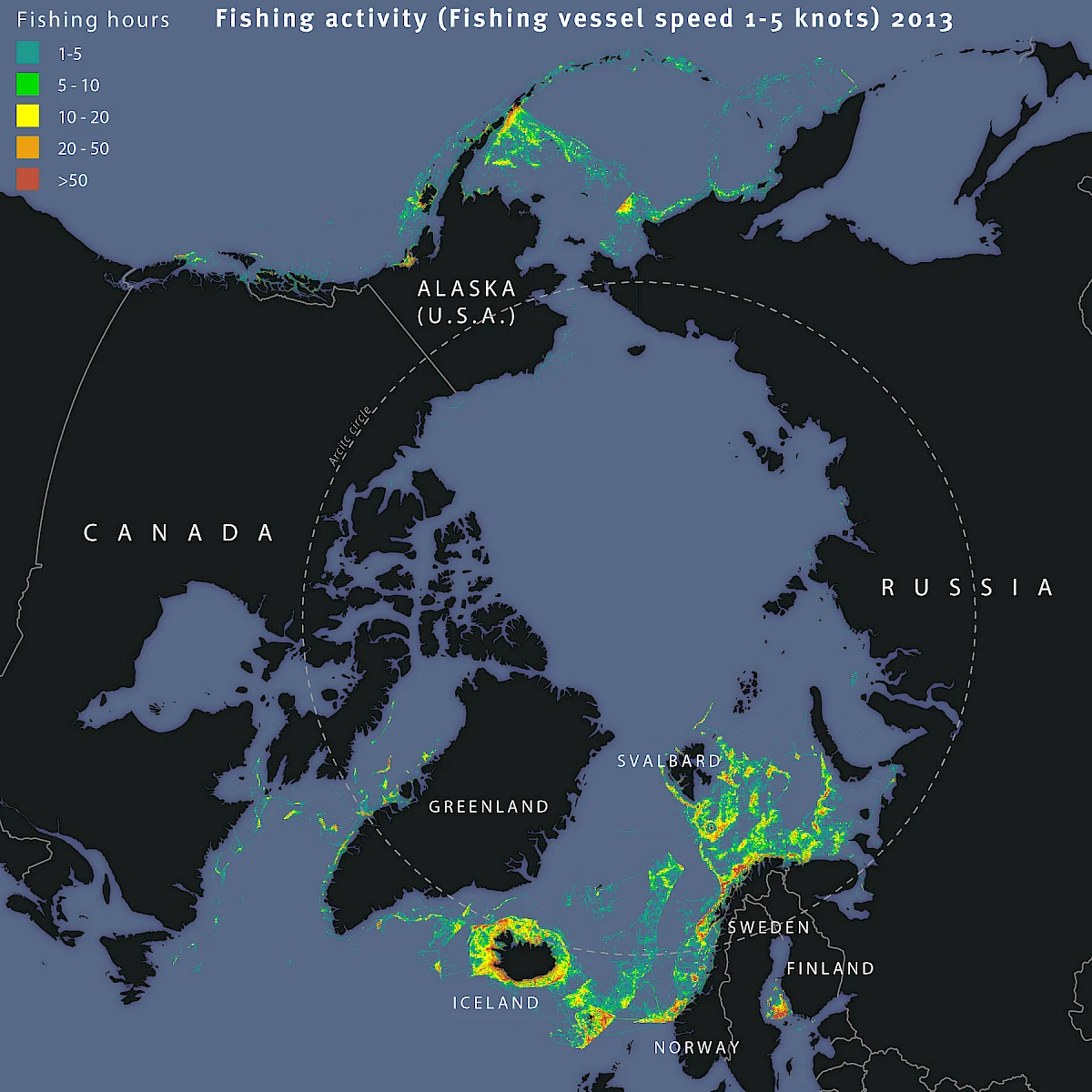
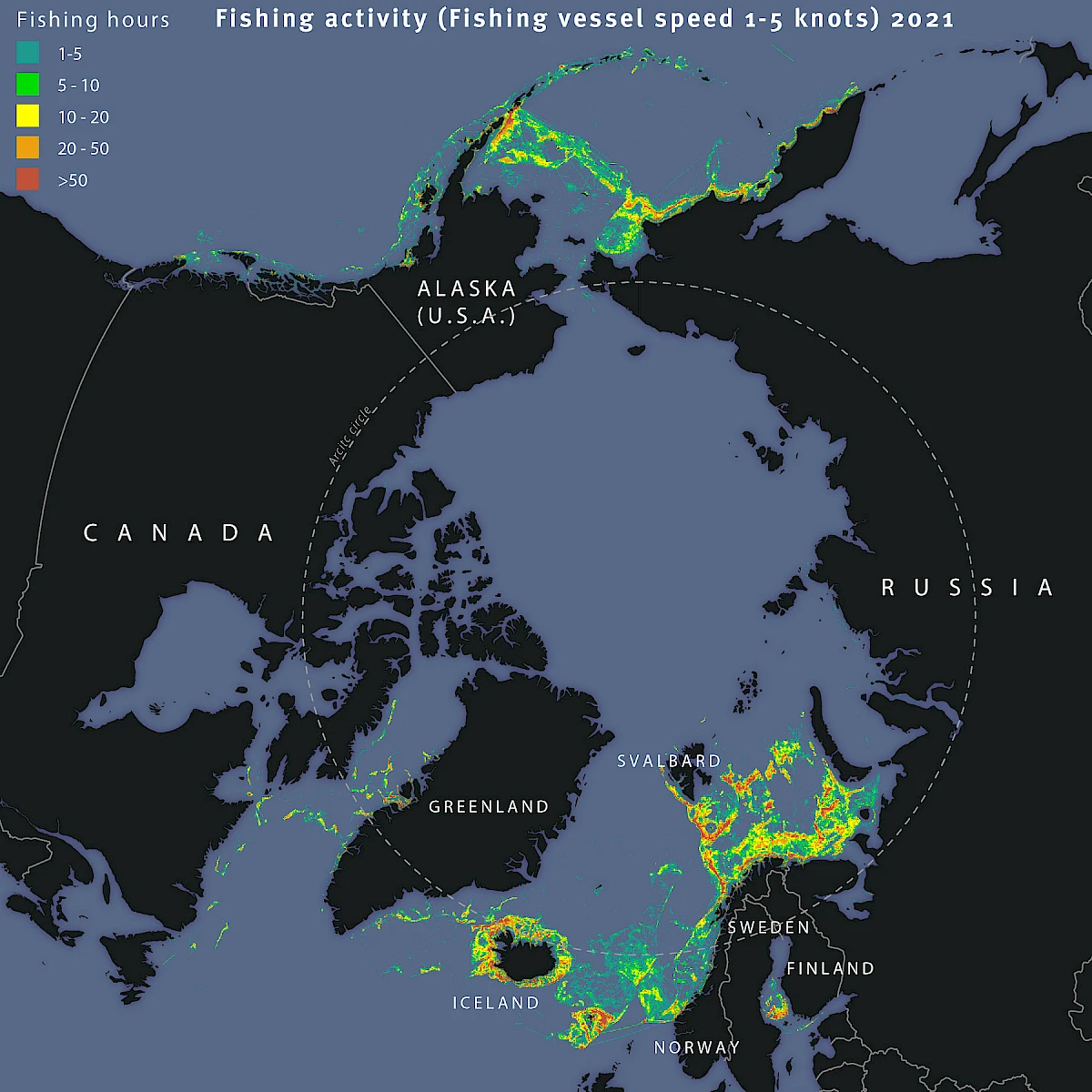
This report aims to provide an understanding of fishing efforts and gear types used in the Arctic. It explores data on fisheries, fishing gear, and national and international efforts to prevent and mitigate ALDFG. The insights presented contribute to ongoing discussions on improving gear management, enhancing reporting mechanisms, and strengthening cooperation among Arctic States. By increasing awareness and implementing targeted interventions, stakeholders can work toward reducing the long-term environmental impacts of ALDFG in Arctic waters.
Key takeaways
- ALDFG encompasses various items such as netting, lines, hooks, ropes, floats, buoys, sinkers, anchors, metallic materials, and fish aggregating devices (FADs) made of non-biodegradable materials such as concrete, metal, and polymers.
- Every year, it is estimated that nearly 2% of all fishing gear used in commercial fisheries worldwide becomes ALDFG.
- ALDFG is recognized as a major source of marine litter in Arctic waters.
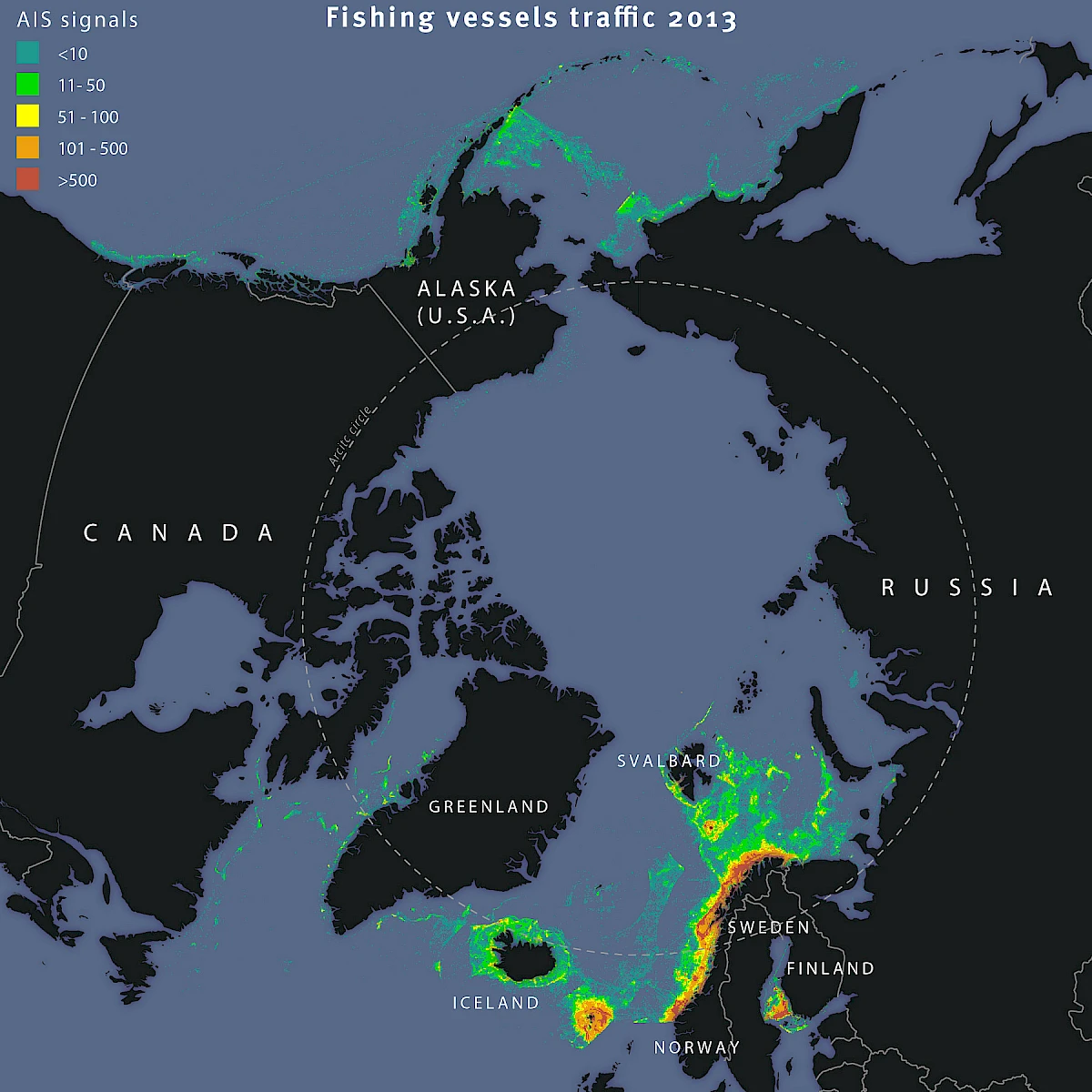
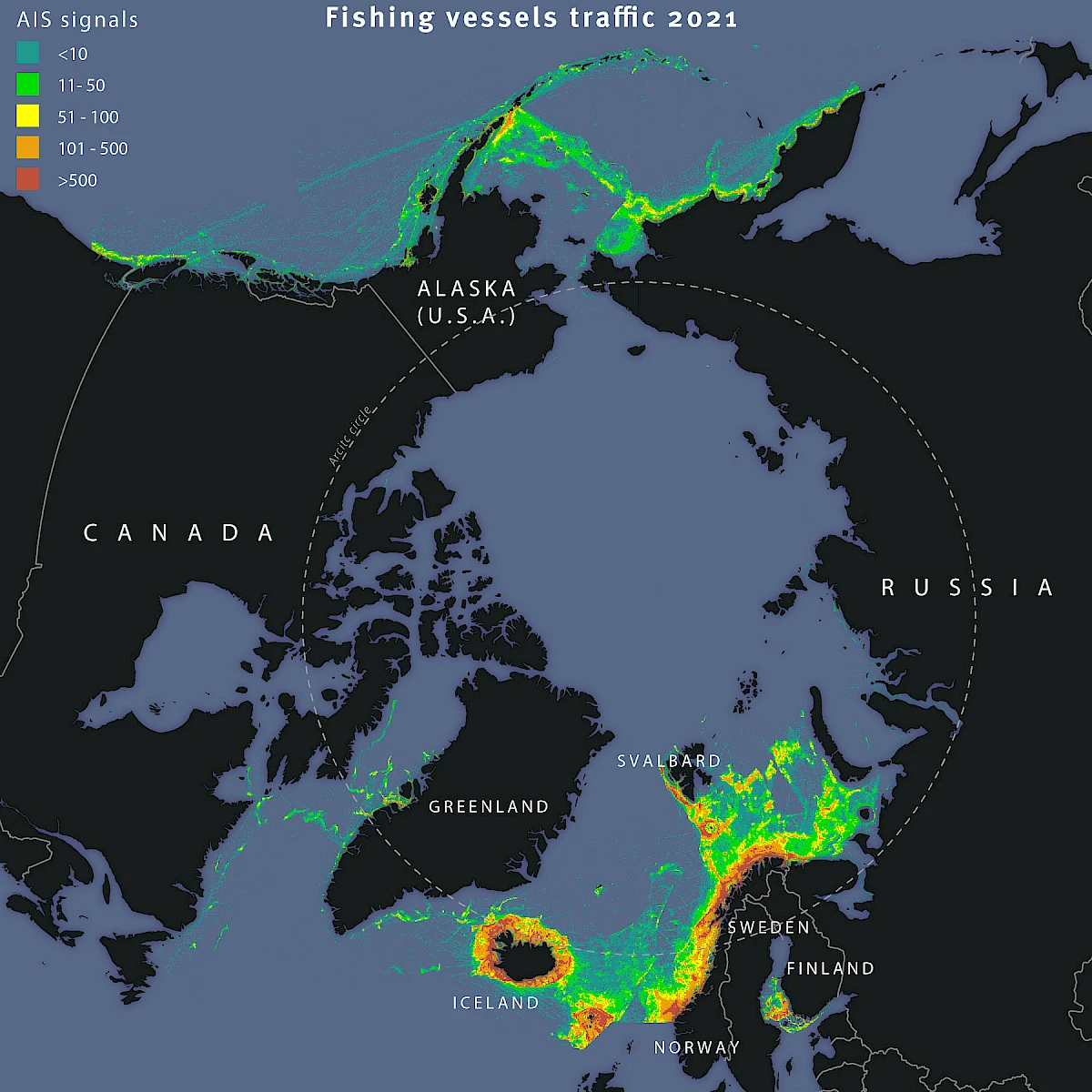
- Fishing vessels are the most common ship type in the Arctic.
Report contents
- Executive Summary
- Background
- Survey on fishing gear types in the Arctic
- Arctic States' approaches in mitigating ALDFG
- Ongoing efforts on marking fishing gear
- Findings and next steps
Interactive story map
Abandoned, Lost and Discarded Fishing Gear in the Arctic
Explore this interactive story map from PAME made by Grid-Arendal:
Map repository
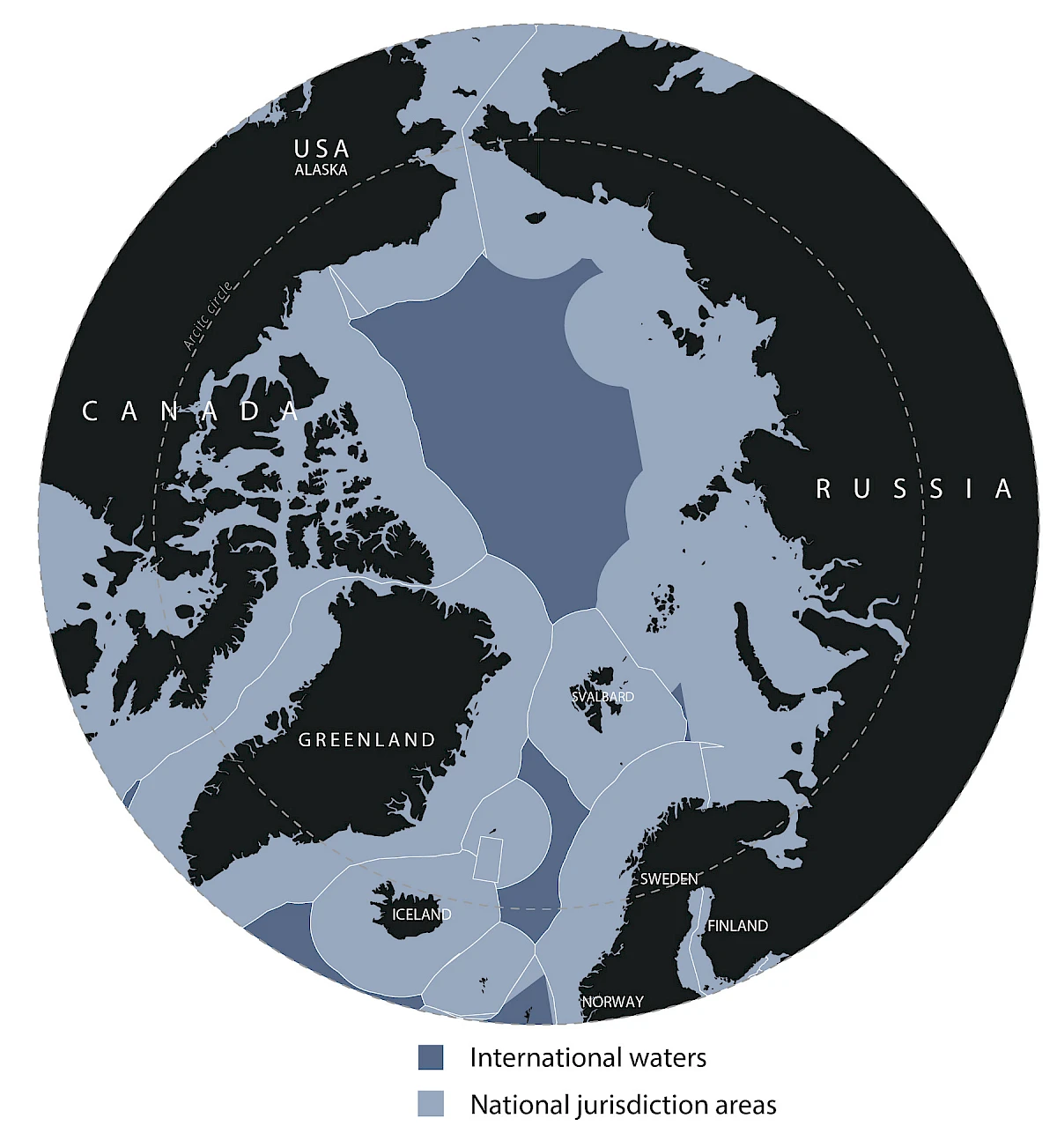
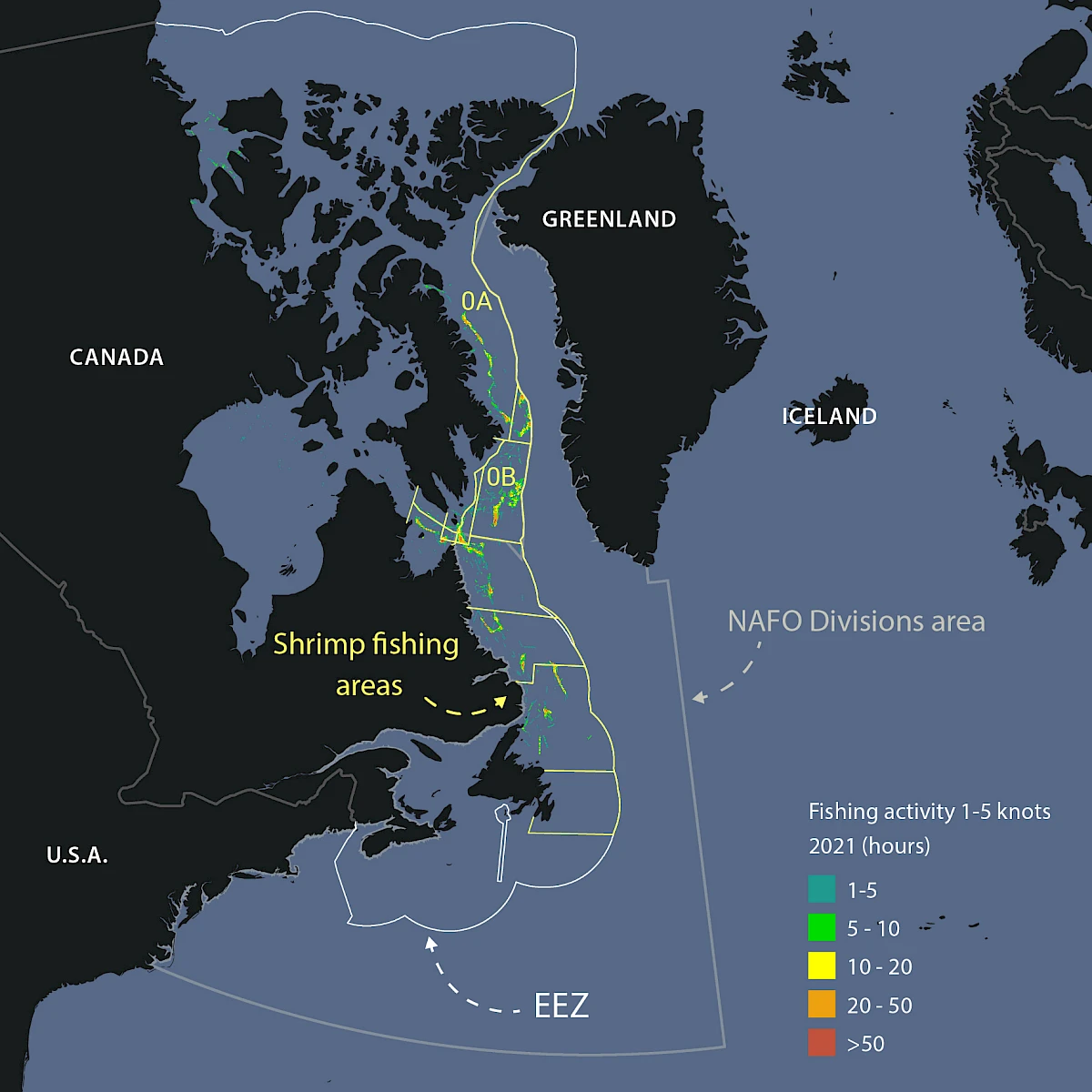
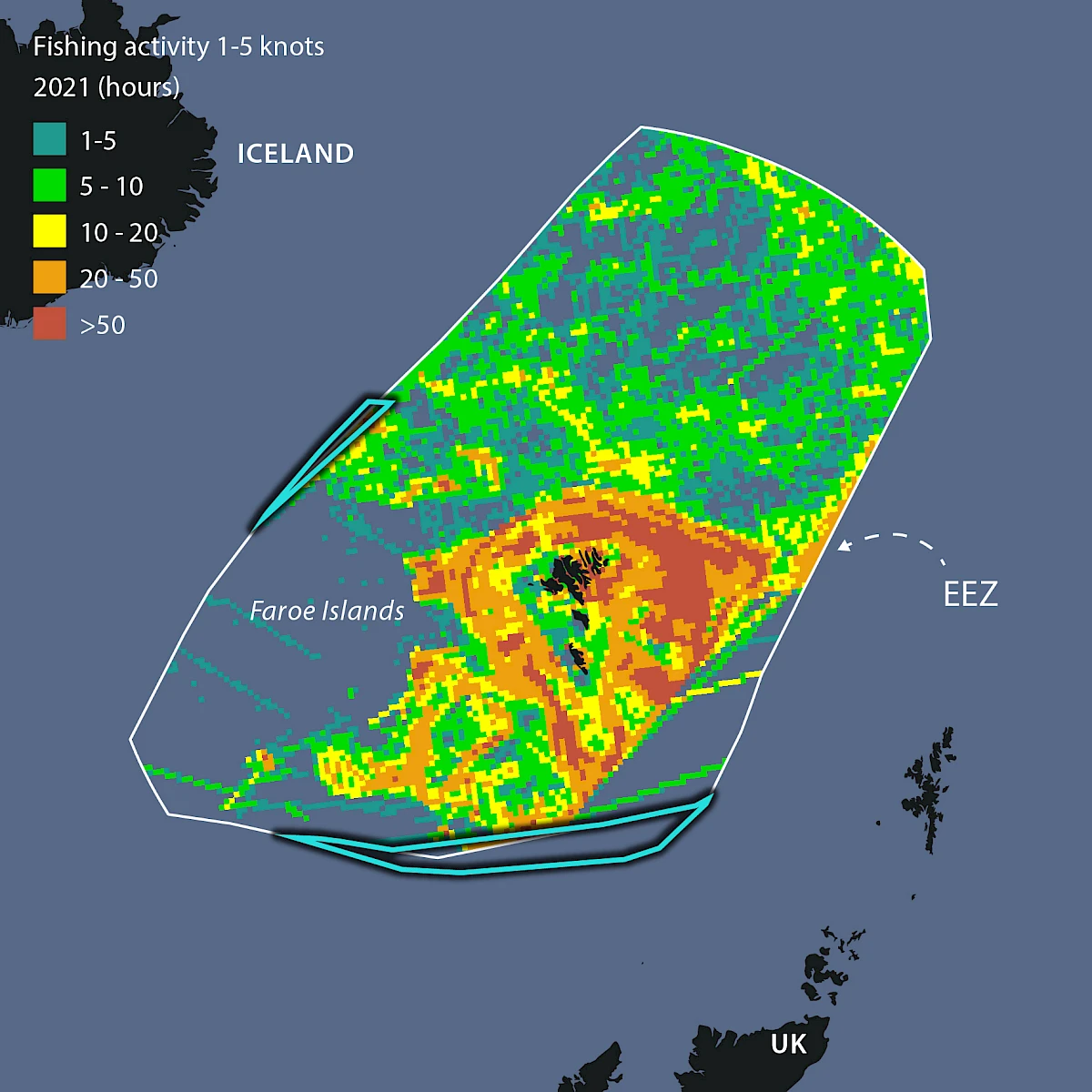
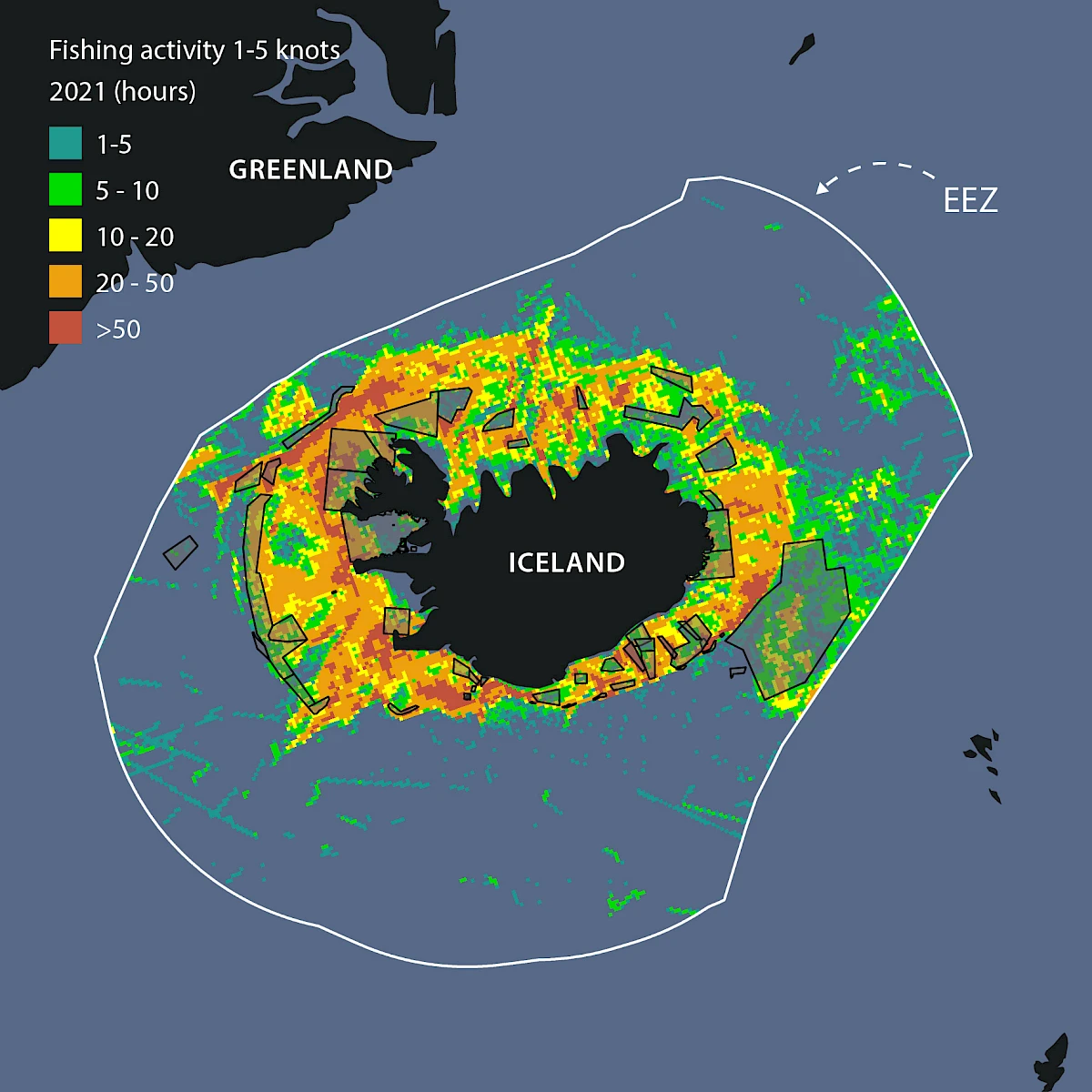
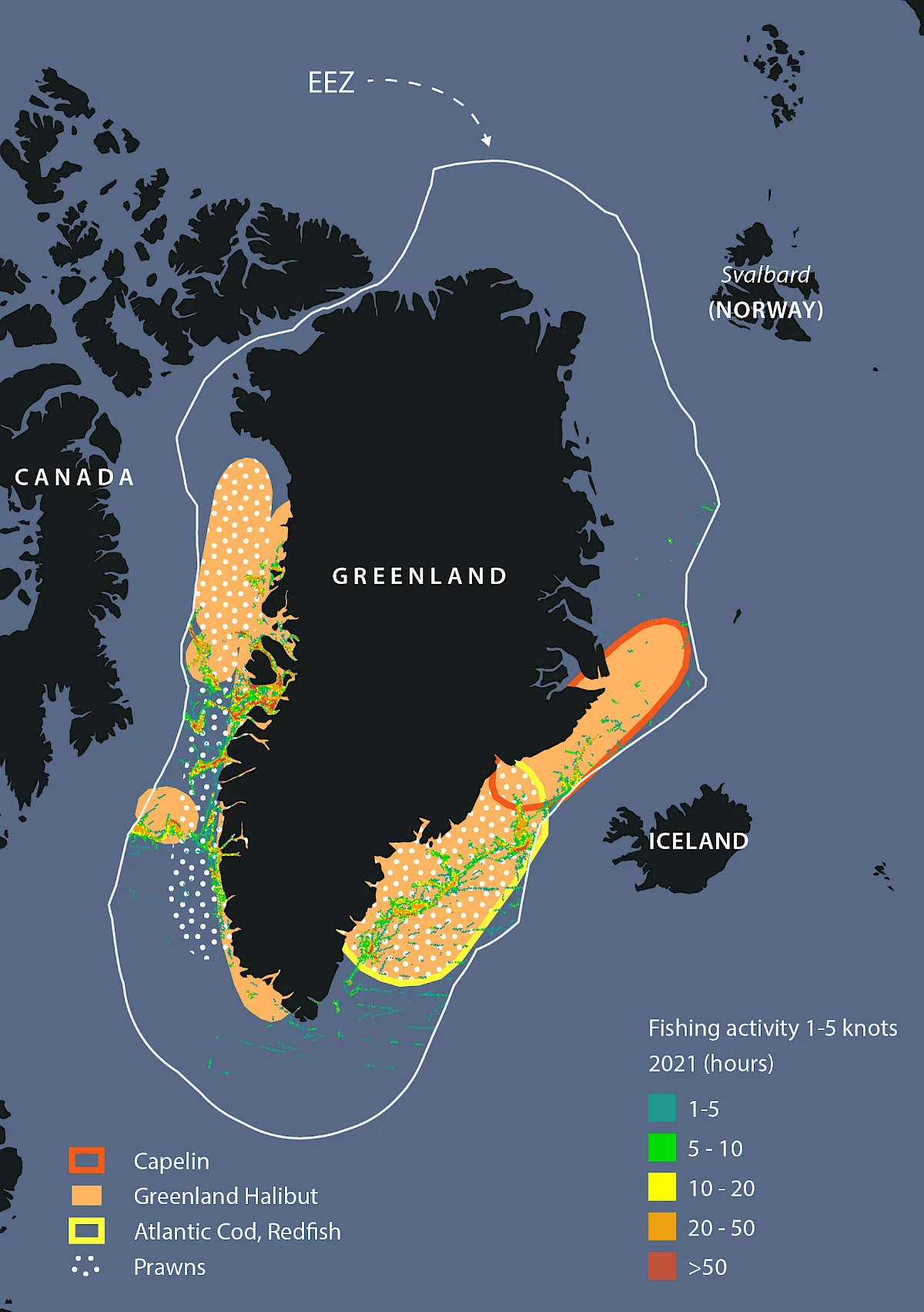
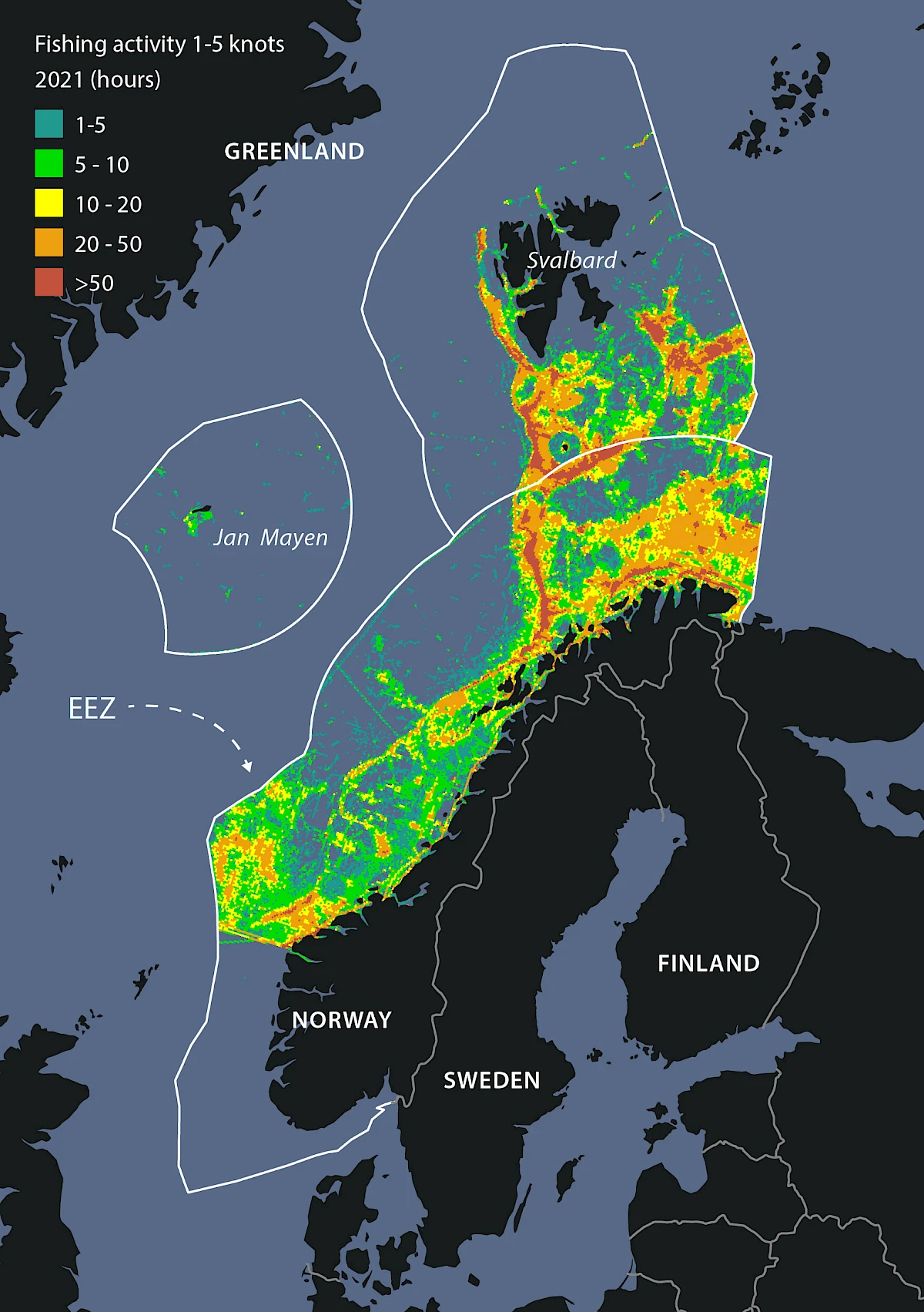
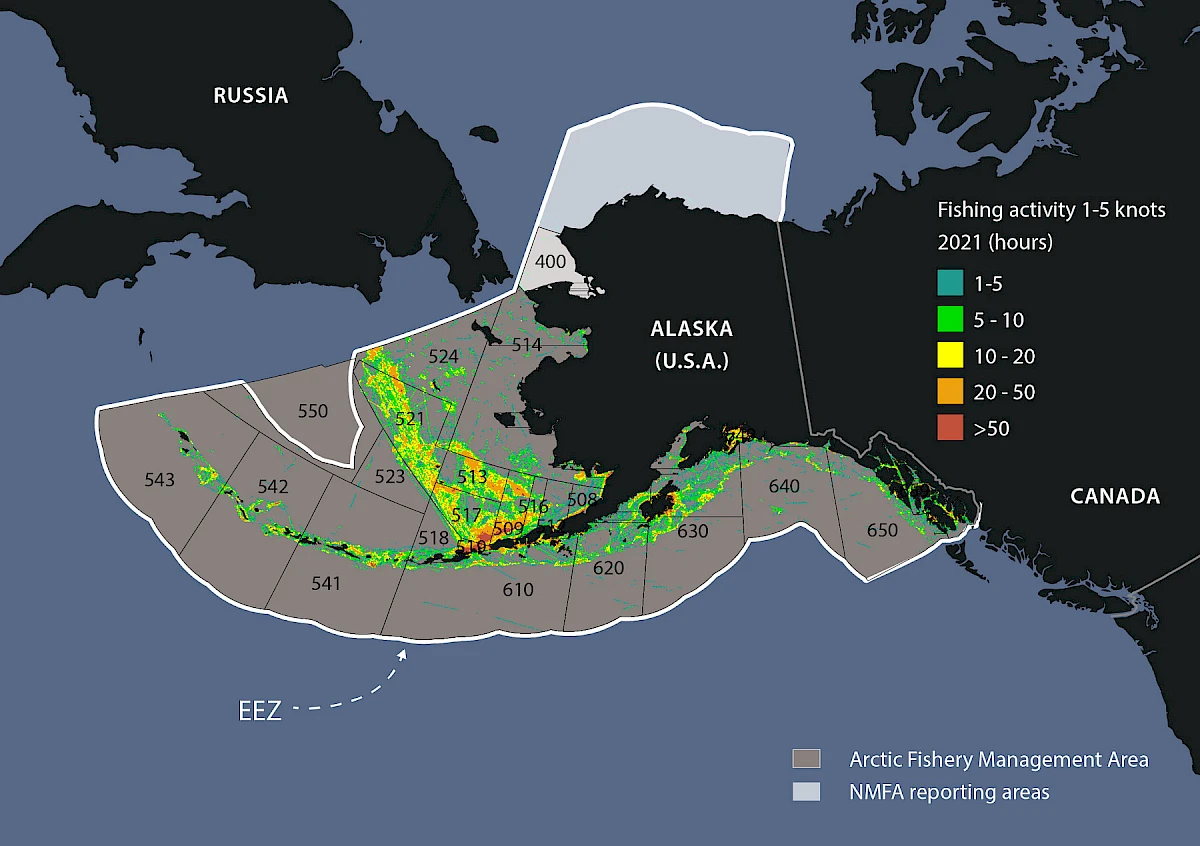
The following maps from the report are available for use. Select a map to enlarge it.