Plastic in a Bottle: Live Map

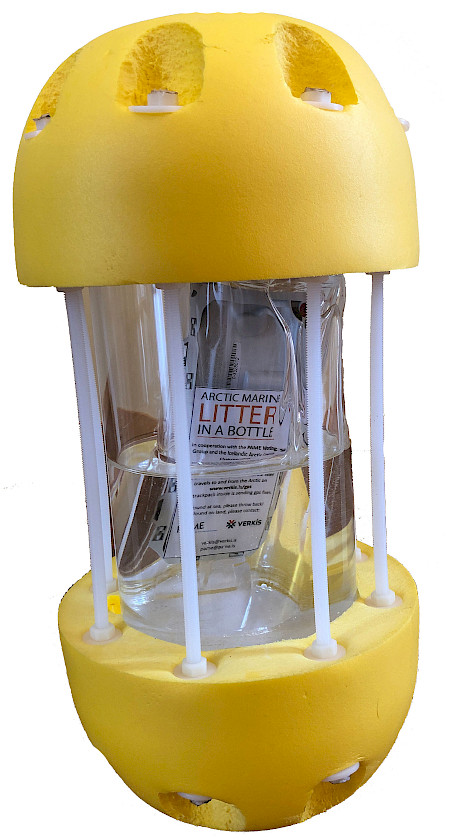
PAME launched the first bottle equipped with a GPS transmitter into the Atlantic on 12 September 2019. Called “Plastic in a Bottle”, the capsules simulate how marine litter and plastics travel far distances in and out of Arctic waters. The collected data feeds into implementation of the Regional Action Plan on Marine Litter and serves as an outreach tool to create awareness around the growing concerns on marine litter in the Arctic.

Four capsules are currently active

See all capsules below the map

The capsules

11 capsules have been launched since 2019. 4 are at sea right now and can be followed on the live map above.

  • #11At sea

    Scotland

    Initiative by the Netherlands

    Launched
    2 August 2026
    Off Fraserburgh, Scotland
    Status
    At sea since 2 August 2026
    Read the launch story
  • #10At sea

    Greenland (2)

    Launched
    27 November 2025
    About 100 nautical miles off Nuuk
    Status
    At sea since 27 November 2025
    Read the launch story
  • #9At sea

    Greenland (1)

    Launched
    7 November 2025
    Davis Strait, north of Disko Island
    Status
    At sea since 7 November 2025
    Read the launch story
  • #8At sea

    Canada

    Launched
    3 September 2025
    Lancaster Sound
    Status
    At sea since 3 September 2025
    Read the launch story
  • #7Landed

    Norway (3)

    Launched
    18 August 2023
    Arctic Ocean, 84°N
    Landed
    21 April 2024
    Drangsnes, Iceland
    247 days at seaRead the launch story
  • #6Landed

    Finland and Norway (2)

    Launched
    3 June 2023
    Svalbard
    Landed
    6 October 2024
    Gamvik, Norway
    491 days at seaRead the launch story
  • #5Landed

    Norway (1)

    Launched
    12 March 2023
    Barents Sea
    Landed
    17 July 2023
    Porsangerfjorden, Norway
    127 days at sea
  • #4Landed

    Finland and Norway

    Launched
    23 June 2021
    Svalbard
    Landed
    3 April 2023
    Tiree, Scotland
    649 days at seaRead the launch story
  • #3Landed

    Finland and Norway (1)

    Launched
    6 May 2021
    Northern Baltic Sea
    Landed
    24 September 2021
    Nedre-Öre, Sweden
    141 days at sea

    Relaunched 9 June 2022 in the southern Baltic Sea, landed 19 June 2022 in Köpu, Estonia (10 days)

    Read the launch story
  • #2Landed

    Netherlands

    Launched
    31 May 2021
    Off Texel, Netherlands
    Landed
    15 July 2021
    Terschelling, Netherlands
    45 days at sea

    Relaunched 8 August 2021, landed 27 August 2021 on Sylt, Germany (19 days)

    Read the launch story
  • #1Landed

    Iceland

    Launched
    12 September 2019
    Reykjanes peninsula, Iceland
    Landed
    6 April 2020
    Tiree, Scotland
    207 days at seaRead the launch story

Highlights

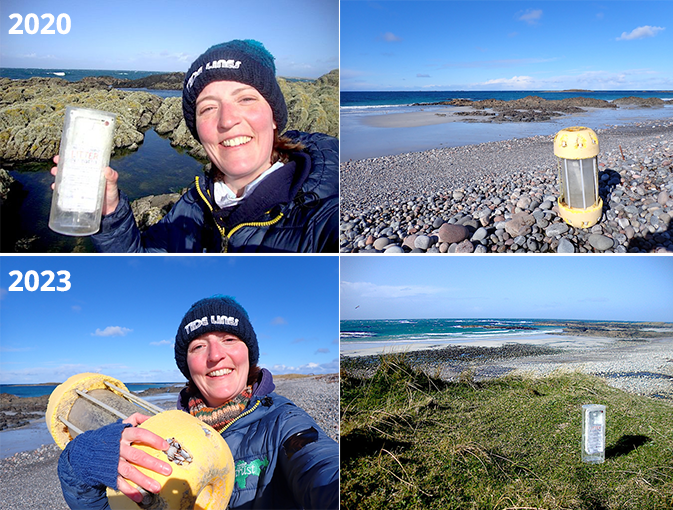
Hayley Douglas with the two capsules found on Tiree

Tiree, Scotland

Two bottles, one beach

Two capsules launched from different places came ashore on the same beach, three years apart. One was launched from Iceland in 2019 and landed in 2020. The other was launched from Svalbard in 2021, drifted down the east coast of Greenland, caught the same currents and landed in 2023.

Both were found by Hayley Douglas on Tiree. Their tracks can be seen on the live map.

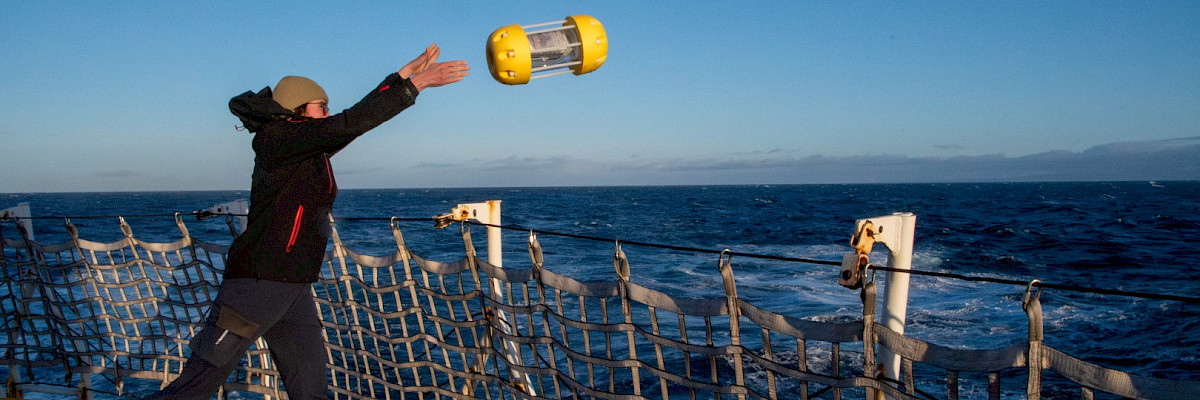
The northernmost capsule being launched at 84°N

84°N, Arctic Ocean

The northernmost launch

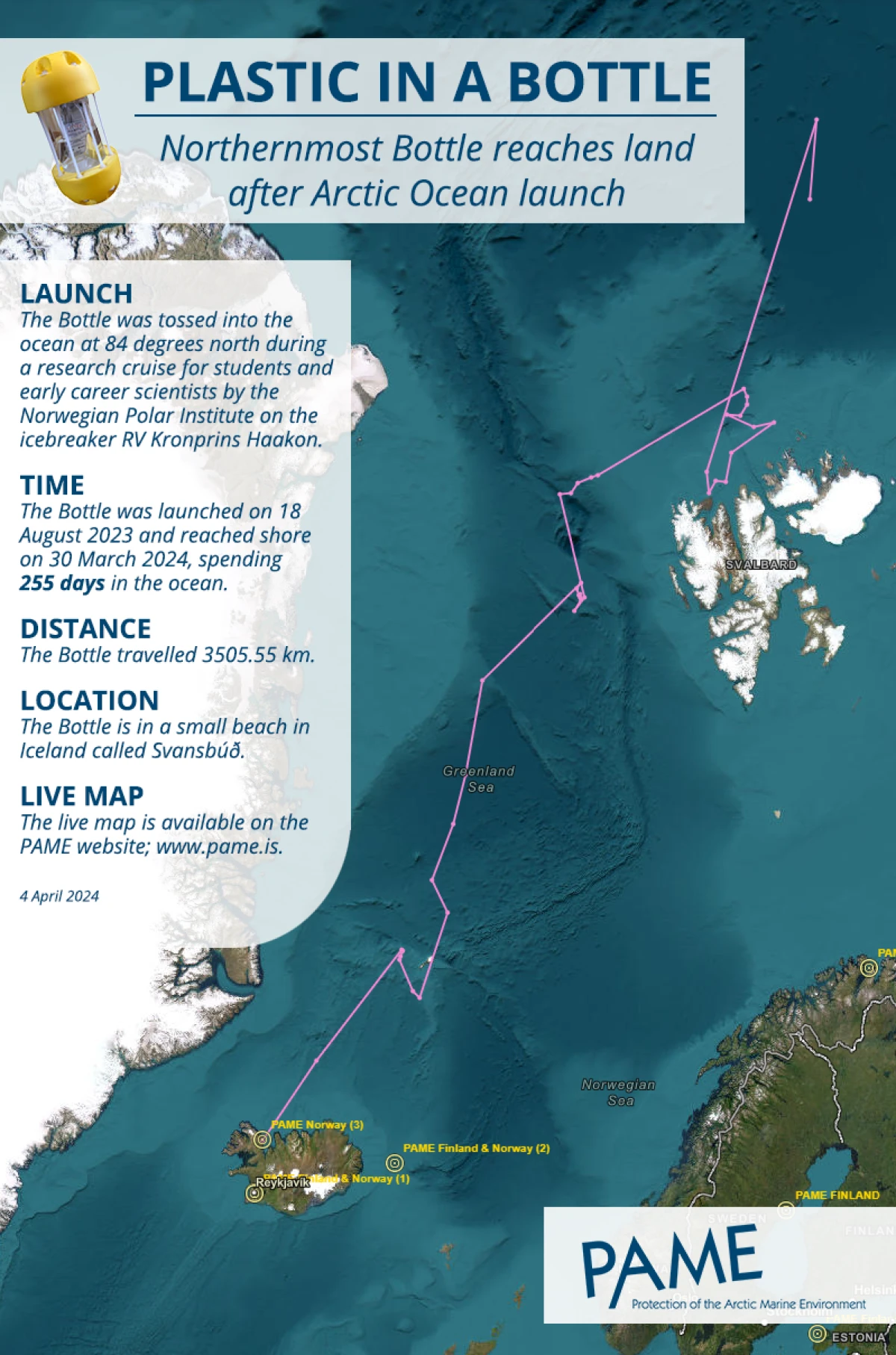
In August 2023, a capsule was launched near the sea ice at 84°N from the icebreaker RV Kronprins Haakon. Scientists expected it to drift through the Fram Strait towards Greenland or Iceland.

247 days later, it washed ashore in Drangsnes, Iceland.

Launch stories

News, photos and videos from the launches, newest first.

  • August 2026PAME Scotland: a Dutch initiative launches its third capsule#11 PAME Scotland

    The third launch by the Netherlands, this time from a new location.

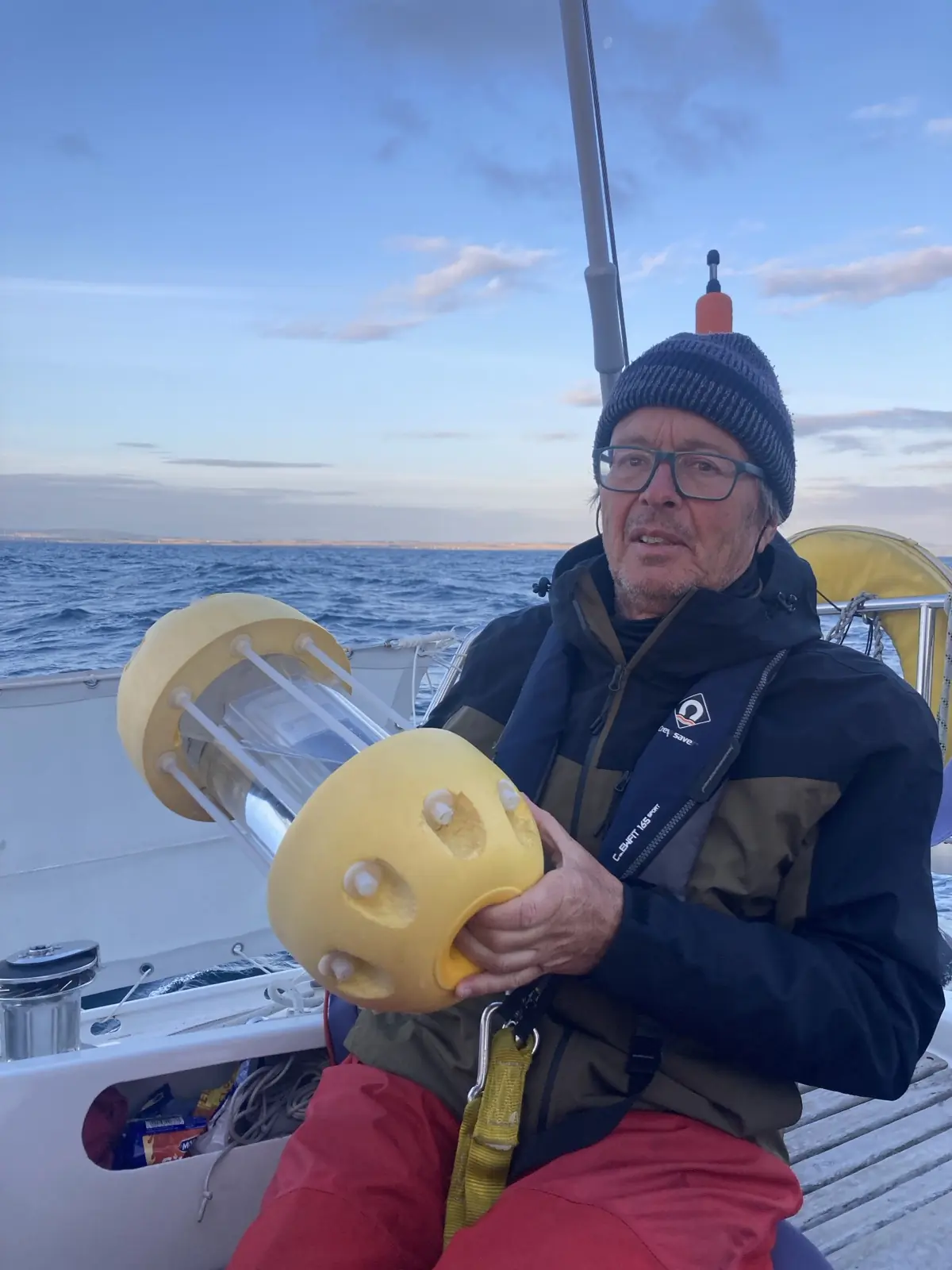
    In early August 2026, Dutch sailor and offshore adventurer Eelco Leemans, in collaboration with Wageningen Social & Economic Research and PAME, launched the ‘PAME Scotland’ capsule into the North Sea just off the coast of Fraserburgh, Scotland. The two previous Dutch capsules were launched close to the Netherlands and drifted ashore after a few weeks at sea.

    Scotland is a fitting place for a launch: two earlier PAME capsules, from Iceland and Svalbard, both came ashore on the Scottish island of Tiree.

    “Marine litter knows no boundaries. What enters the water at one location can end up on the coast of another country. Our research aims to identify the sources and causes of this pollution to help stakeholders tackle the problem at its origin.”

    The team at Wageningen Social & Economic Research

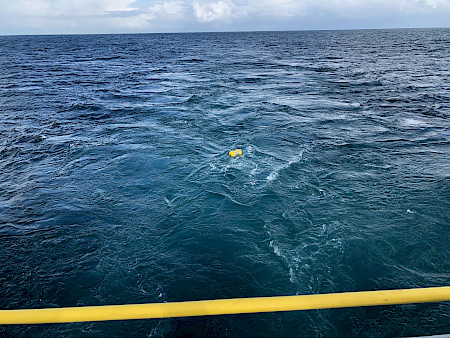
    The launch was supported by funding from the Dutch government. The capsule is still at sea and can be followed on the live map.

  • November 2025Two launches from Greenland#9 PAME Greenland (1)#10 PAME Greenland (2)

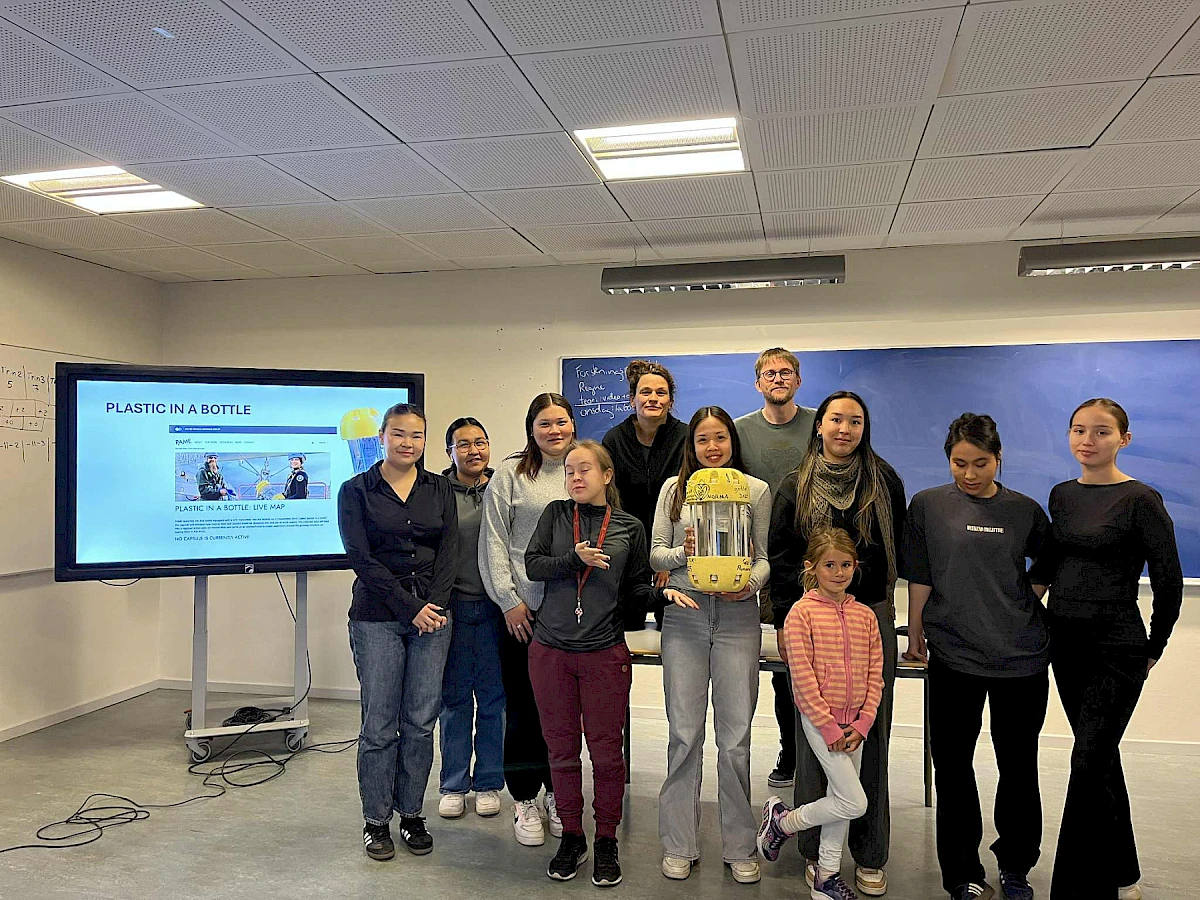
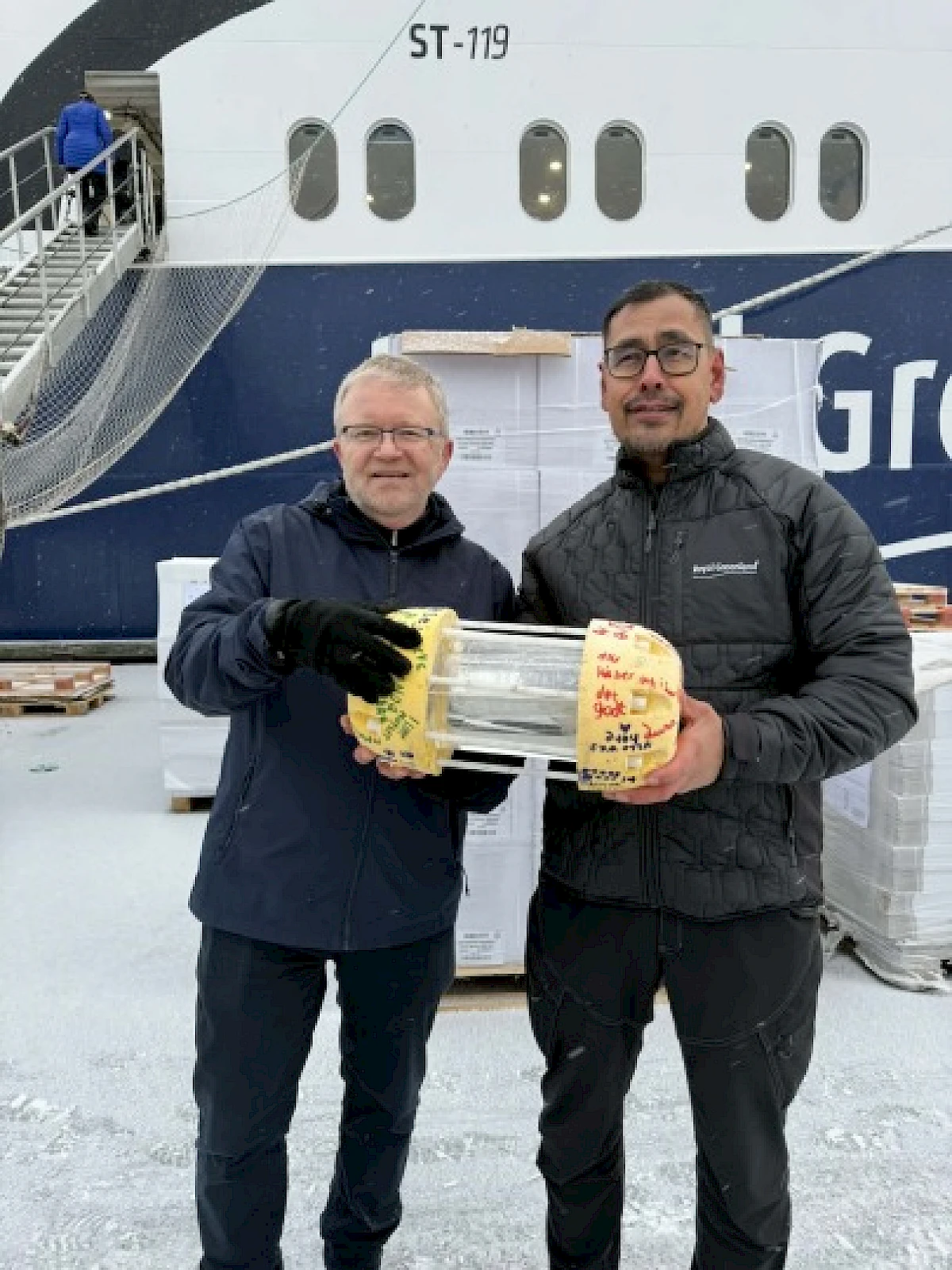
    “Yesterday, a GPS capsule began its journey in the Greenlandic sea. Students from Nuuk International Free School handed over the capsule to Royal Greenland's trawler Kaassassuk, which will deploy it 100 nautical miles off the coast. With these capsules we can now continuously follow how plastic waste moves through the Arctic.

    By following the capsules' journey with the ocean currents between Greenland and Canada, we get a strong and tangible picture of something we already know: that the ocean connects us across borders. It reminds us that marine litter is not just ‘someone's’ problem – it is our shared challenge, and it can only be solved together. The project underscores how important it is that we manage our shared ocean in a sustainable way.”

    Jenseeraq Poulsen, Director of ONKN, Nuuk, 28 November 2025

    “ONKN supports the ‘Plastic in a Bottle’ project under PAME in the Arctic Council – because research and a solid data foundation are crucial for protecting our ocean and ensuring sustainable decisions.”

    Thanks to NIFF, the Environmental Protection Agency, the research project IMARPUT by Aarhus University (funded by Velux Fonden), the Government of Greenland, PAME and Royal Greenland for the collaboration.

    Greenland (1): Sisimiut and Disko Island

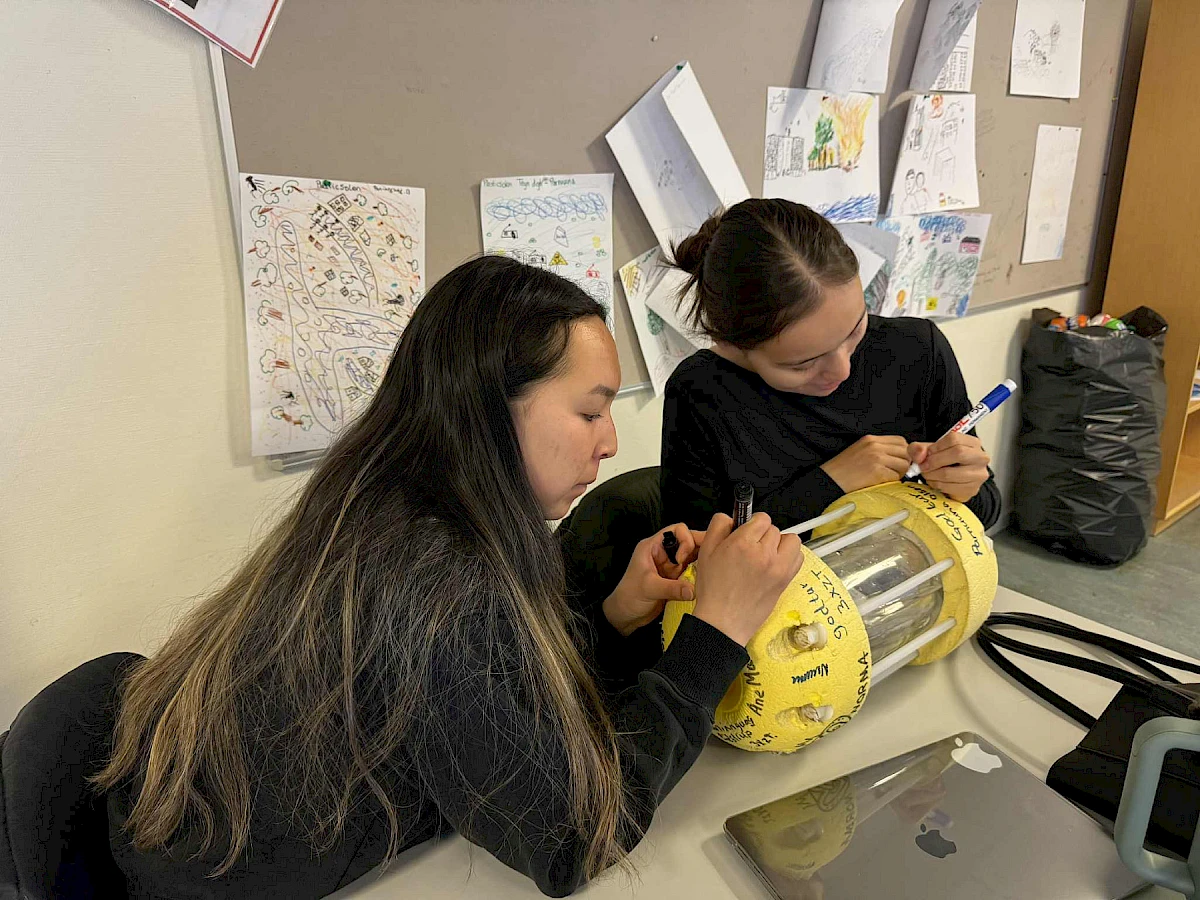
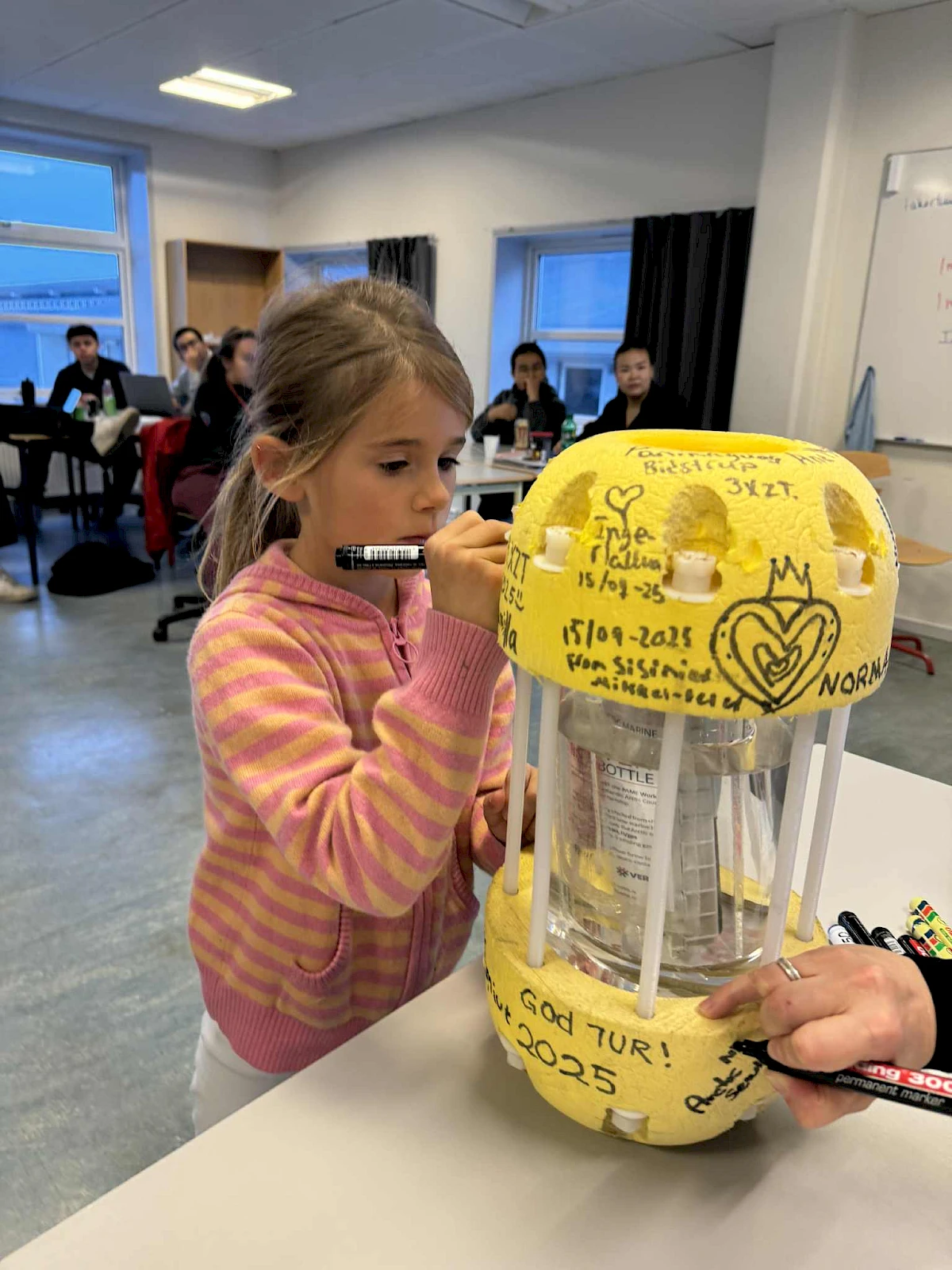
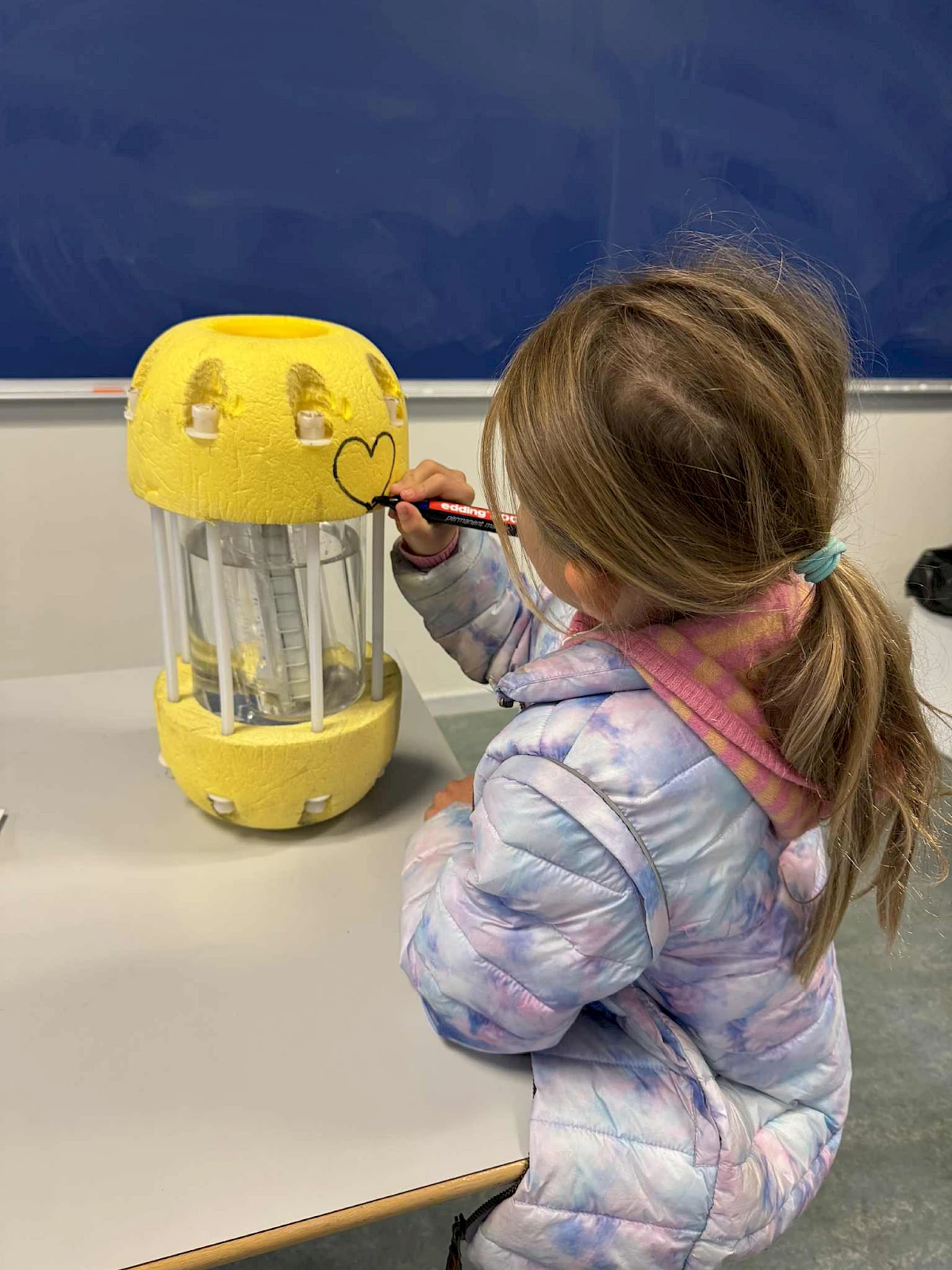
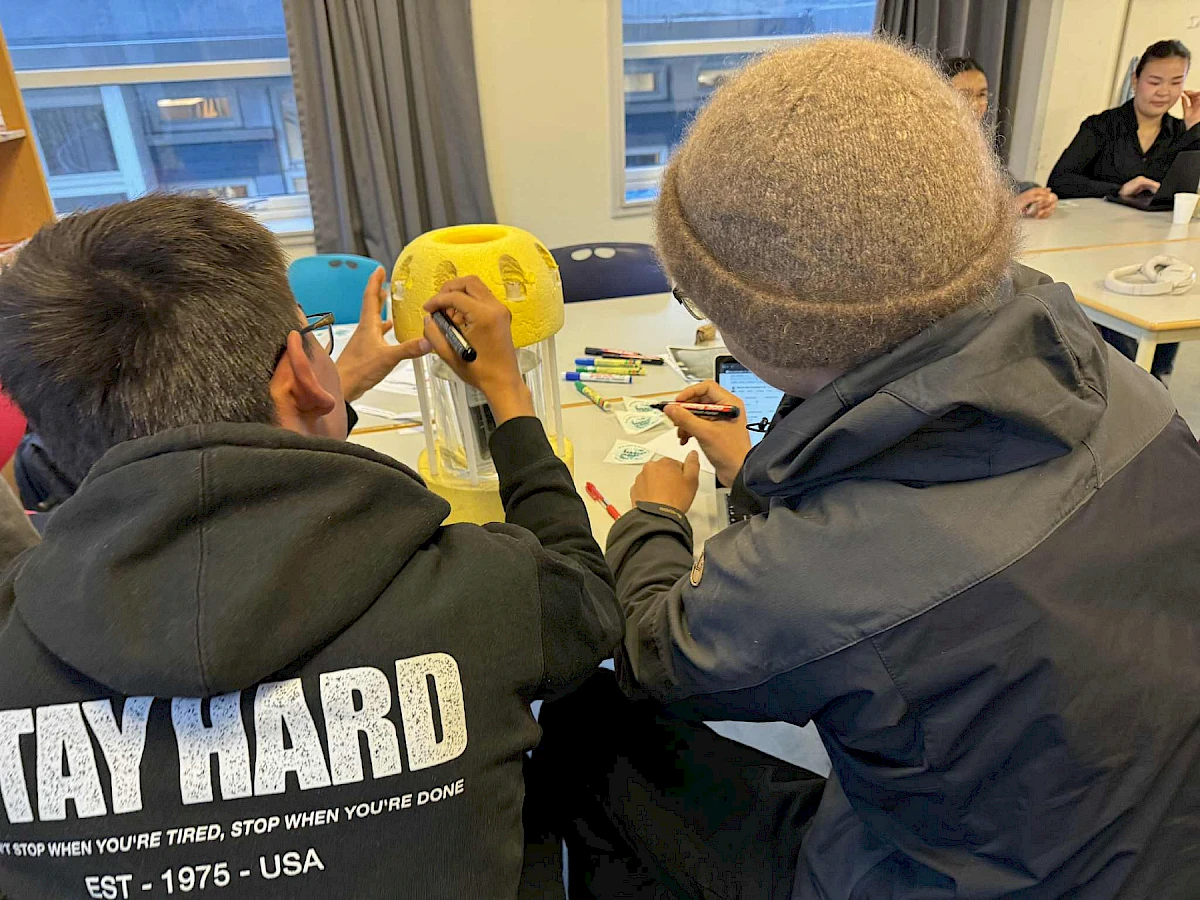
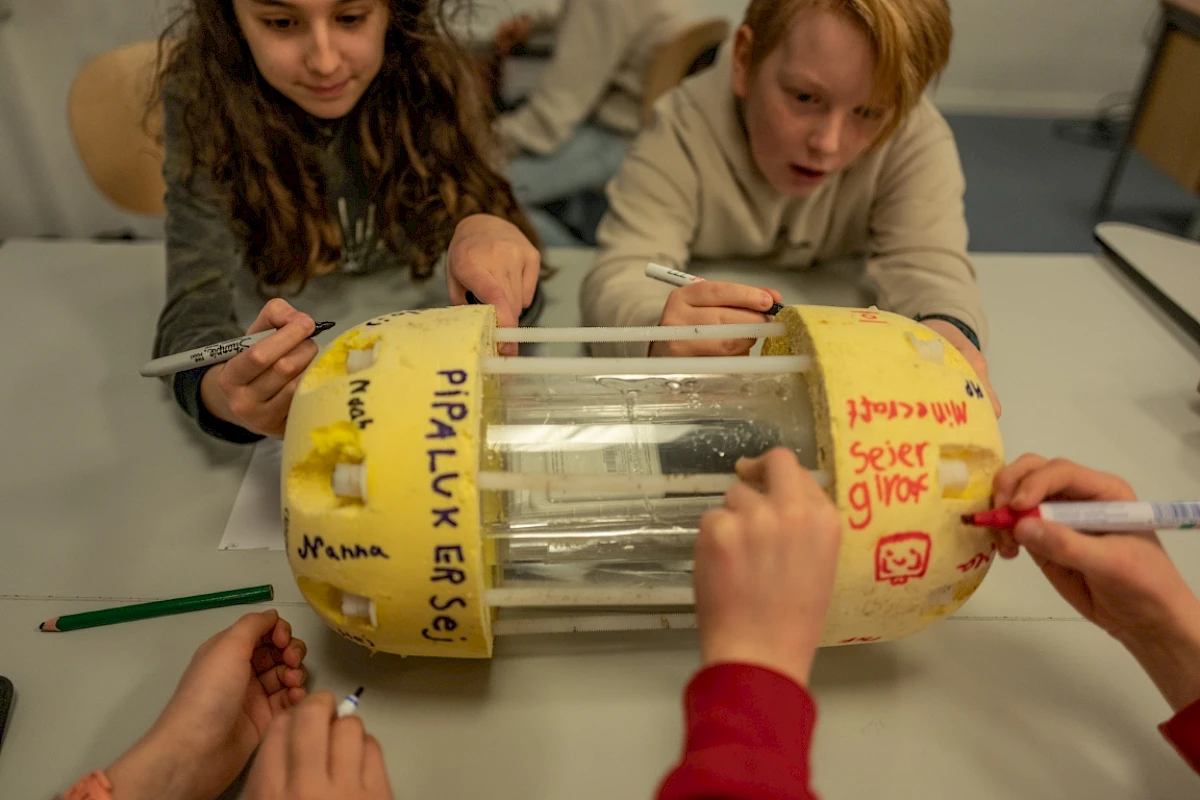
    The first Greenland launch began in Sisimiut, where students from GUX were introduced to the ‘Plastic in a Bottle’ project by two researchers from the IMARPUT research project. The students took ownership of the capsule, signed it, drew on it and added greetings wishing it a successful sea adventure. Both students and their teacher were highly engaged, particularly about learning the capsule's route. The project is a great way of bringing GPS tracking and the science of how litter travels across oceans into learning and education.

    The capsule was then handed over to the captain of a Royal Greenland vessel in Sisimiut harbour, who made sure it was put overboard off the coast north of Disko Island.

    Greenland (2): Nuuk

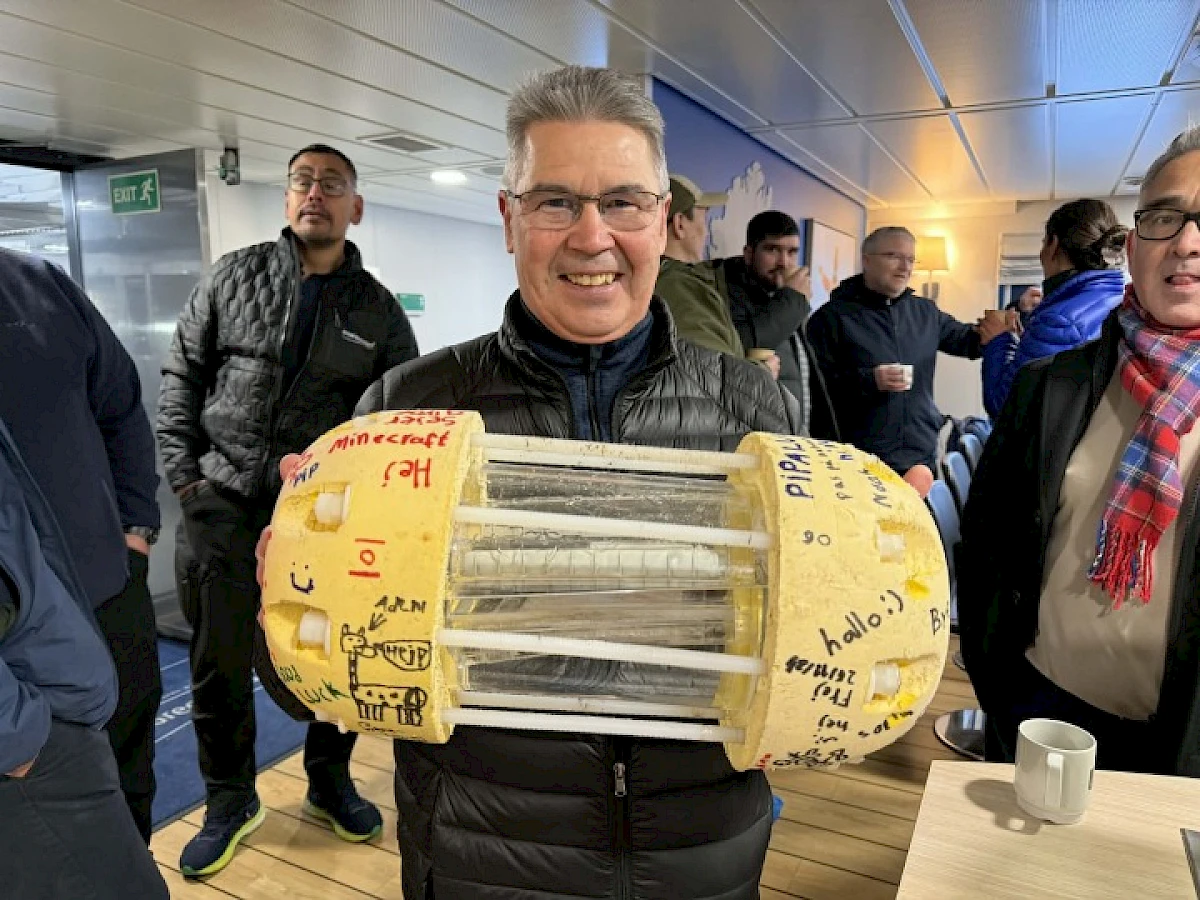
    Preparations for the second launch took place in Nuuk on a snowy day. A researcher from the University of Greenland had introduced students from Nuuk International School to the project through IMARPUT, and the students were eager to hand the capsule over to the captain of the Royal Greenland vessel. They had decorated it with greetings for whoever may find it one day. At a launch event, Kenneth Høegh, Chair of the Senior Arctic Officials of the Arctic Council, and the Minister for Fisheries, Hunting and Agriculture of the Government of Greenland spoke and helped with the launch.

    Video from the first launch

  • October 2025A capsule retrieved

    A video from the retrieval of a Plastic in a Bottle capsule.

  • September 2025Canada launches its first capsule in Lancaster Sound#8 PAME Canada

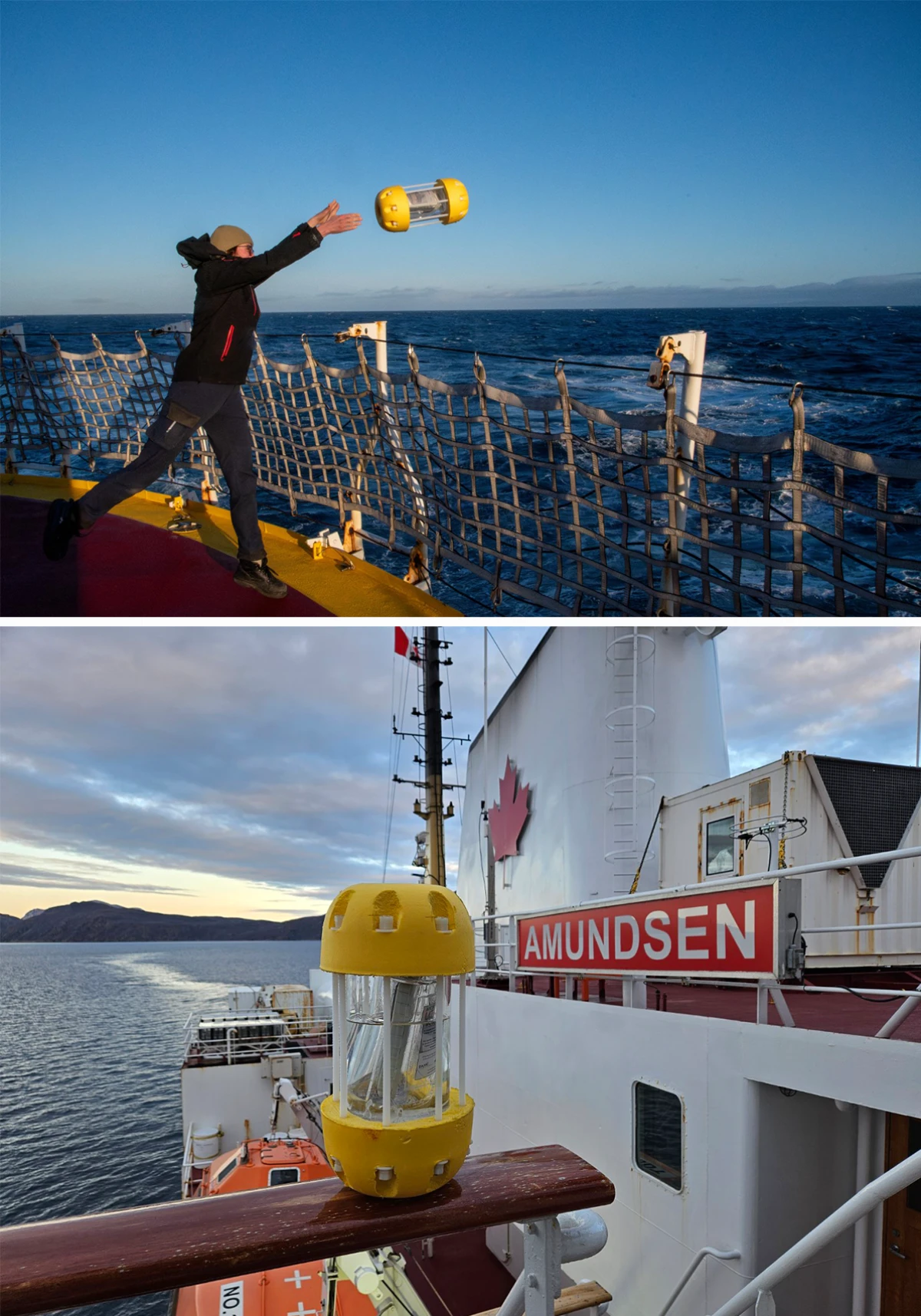
    In early September 2025, Fisheries and Oceans Canada launched a new Plastic in a Bottle capsule from aboard the CCGS Amundsen. It is the first capsule launched in the Canadian Arctic, and will show how marine litter and plastics travel far distances in and out of Arctic waters.

    If the track is not visible on the live map, drag the map towards Canada.

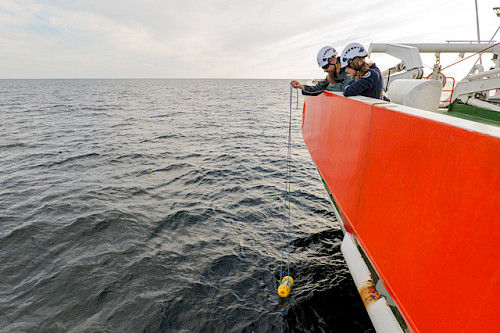
    Launch of the capsule from the CCGS Amundsen
    Photo: Fisheries and Oceans Canada
  • November 2023Northernmost capsule launched at 84°N#7 PAME Norway (3)

    Launched at 84 degrees north, the capsule enables PAME to track how plastics travel in and out of Arctic waters.

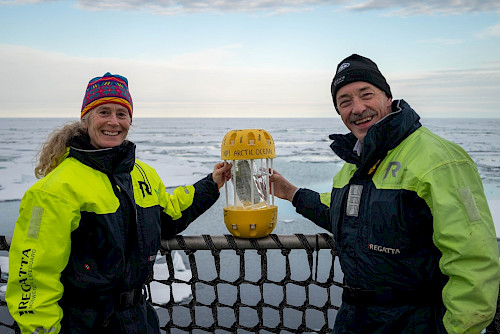
    The seventh capsule since the project started in 2019 was the first launched around sea ice. It was put into the ocean at 84°N during a research cruise for students and early-career scientists by the Norwegian Polar Institute, on the icebreaker RV Kronprins Haakon.

    “According to our knowledge of the area, we anticipate the capsule will drift westward into the Fram Strait, and possibly reach Greenland or Iceland. We will track its movements as it drifts along with the sea ice before it is released in the area of the Fram Strait where the ice is melting rapidly.”

    Ole Arve Misund, Director of the Norwegian Polar Institute

    Plastic debris can be found on Arctic beaches, in the water column, in sea ice, in sediments and even in the bodies of Arctic birds and mammals.

    “There are many ways that plastic can make its way into and around the Arctic, whether it's from rivers, wind, ocean currents or other means. Plastic in a Bottle is a way to help the public visualize how an item of trash – perhaps their water bottle left at a picnic or even on a tourist boat – can travel miles away and affect the marine environment.”

    Elizabeth McLanahan, Director at NOAA and Vice-Chair of PAME, who put the capsule into the sea

    The capsule went on to land in Drangsnes, Iceland, on 21 April 2024 after 247 days at sea, just as predicted.

    Full story on the Arctic Council website

  • June 2023A second capsule from Svalbard#6 PAME Finland and Norway (2)

    On 3 June 2023, a second Finnish and Norwegian capsule was launched from Svalbard. It drifted for 491 days, the second-longest journey of the project so far, before landing in Gamvik, northern Norway, on 6 October 2024.

    News story and video of the launch (Norwegian Polar Institute, in Norwegian)

  • June 2021Finland and Norway launch two capsules#3 PAME Finland and Norway (1)#4 PAME Finland and Norway

    Two capsules were launched in June 2021 in collaboration with the Finnish project ‘Northern Marine Litter’ and the Norwegian Polar Institute. The project is funded by Finland's Ministry for Foreign Affairs and aims to enhance research and monitoring collaboration between Finland, the Baltic and the Arctic states.

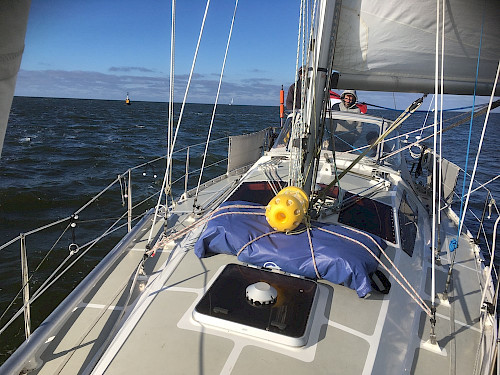
    The Baltic Sea is a semi-enclosed sea that freezes over every year and is under high pressure from human activities, and marine litter is a recognized problem there. One capsule was released in the northern Baltic Sea during the annual research cruise of the Finnish Environment Institute's R/V Aranda, to follow how litter moves in a relatively densely populated and enclosed sea compared to the Arctic.

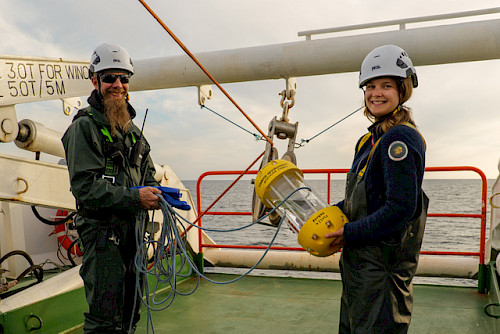
    The second capsule was launched with the Norwegian Polar Institute west of Svalbard, at 77.2725°N, 11.4687°E, by Ida Kristin Danielsen of the Norwegian Polar Institute. It started its journey on 23 June 2021 and travelled fast with the currents, at times more than 30 km a day.

  • May 2021Wageningen University & Research and PAME launch a capsule from the Netherlands#2 PAME Netherlands

    On 31 May 2021, a capsule was launched some 25 miles west of the island of Texel to show the route plastic waste may travel once it enters the North Sea.

    “Not many people realise what happens to ‘our’ plastic waste once it enters the North Sea. Under the influence of wind and sea currents, this capsule may travel to a nearby beach or, who knows, perhaps even to the Arctic. This is certainly a possibility, since every year, substantial amounts of plastic are transported there from Western Europe and North America. This accumulation of plastics poses a threat to nature, shipping safety and tourism in the region.”

    Wouter Jan Strietman, researcher, Wageningen University & Research

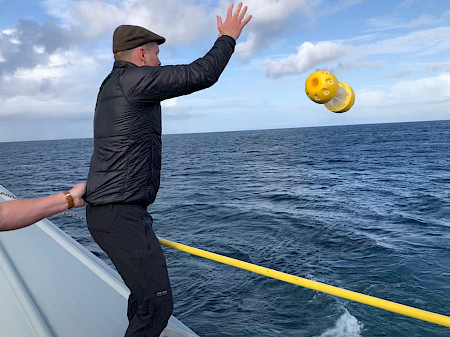
    The launch was organised by Wageningen University & Research and Leeways Marine, whose Eelco Leemans released the capsule from a sailing ship, in collaboration with PAME and the Dutch Government, which funded the capsule. In the Arctic Marine Litter Project, Strietman and his team work with partners throughout the Arctic to identify the sources and underlying causes of marine plastic pollution, so that it can be prevented at the source.

    Release of the capsule off Texel
    Photo: Eelco Leemans

    Video about the project (in Dutch)

  • 12 September 2019The first capsule is launched from Iceland#1 PAME Iceland

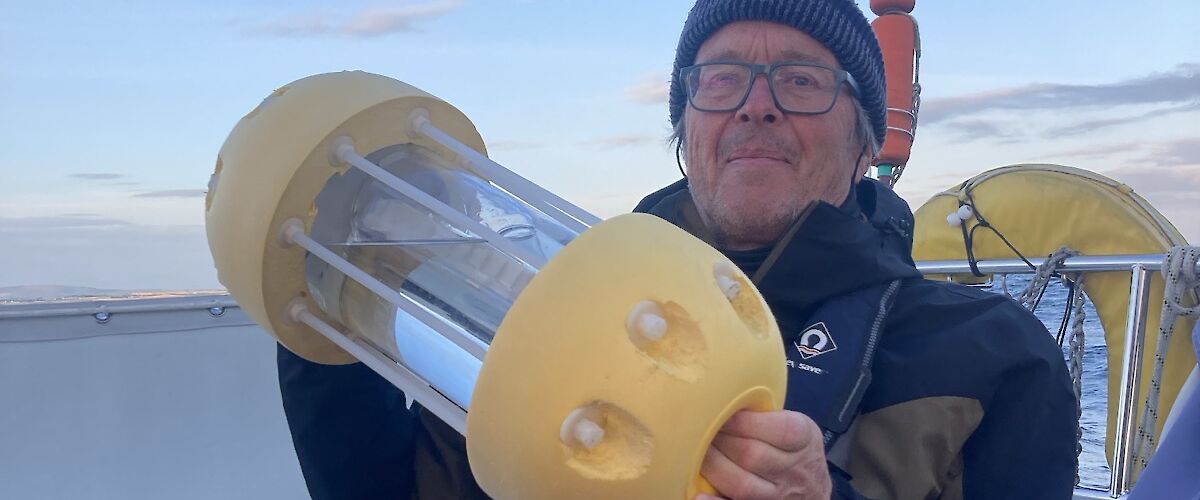
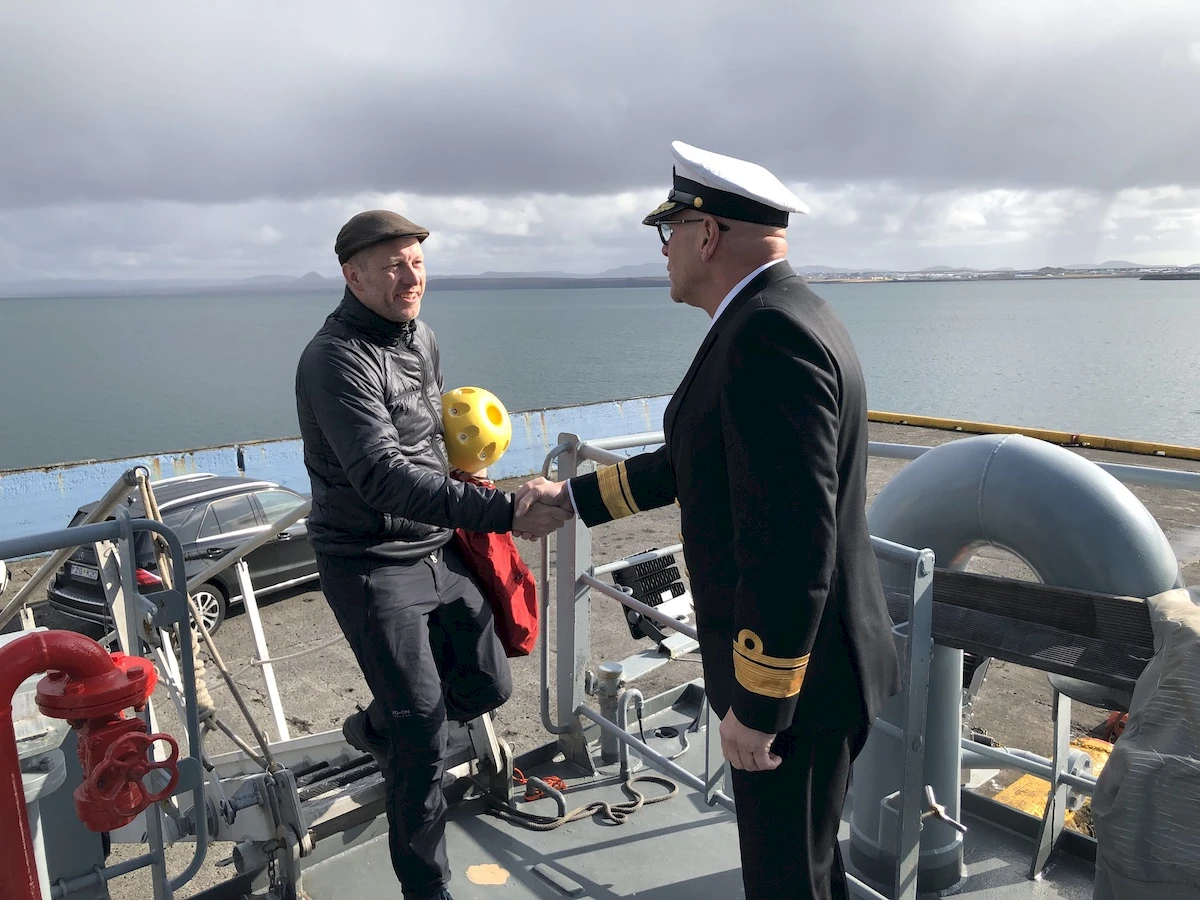
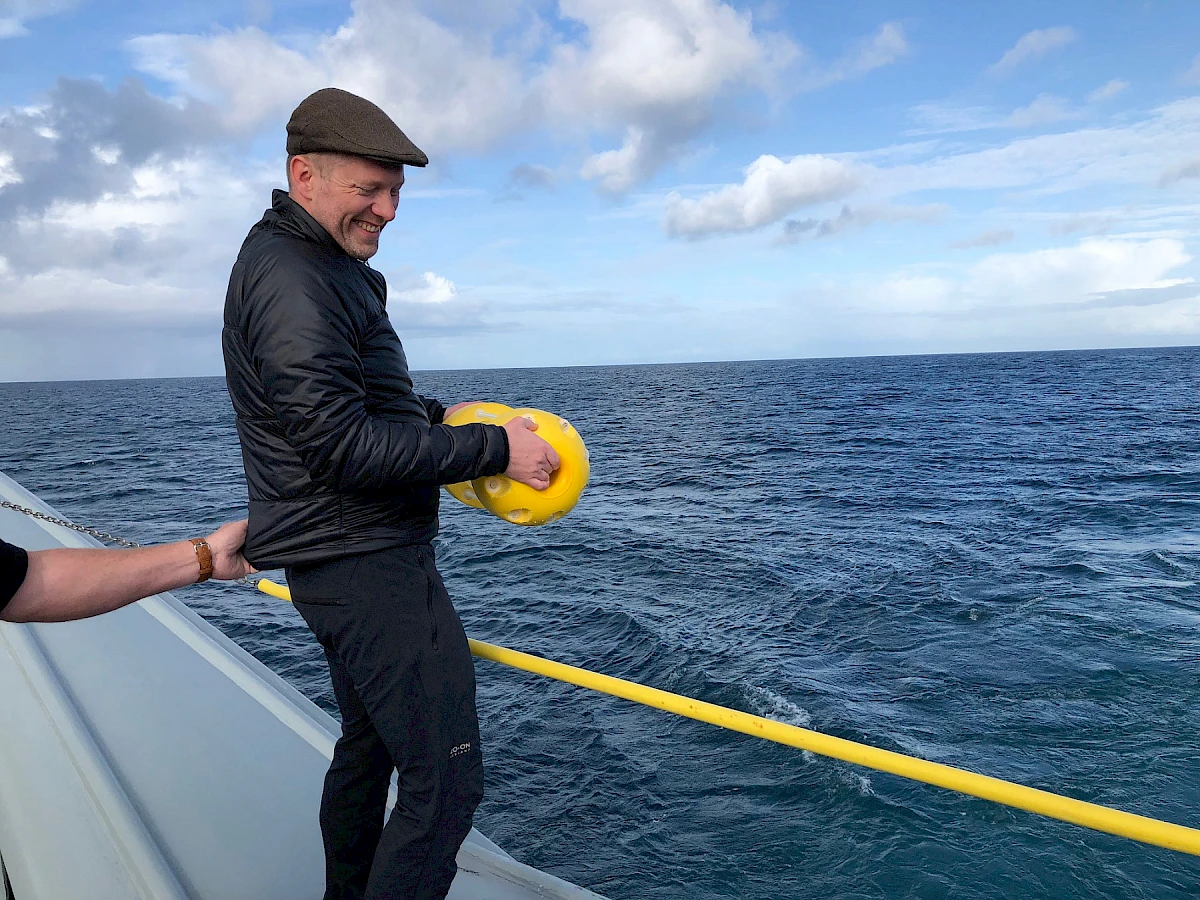
    PAME launched the first bottle equipped with a GPS transmitter into the Atlantic on 12 September 2019. It was sent off from the Reykjanes peninsula by Guðmundur Ingi Guðbrandsson, Iceland's Minister for the Environment and Natural Resources, from the Icelandic Coast Guard vessel Thor, in conjunction with the PAME II-2019 Working Group meeting in Reykjavík. Marine litter and plastics were a special focus of Iceland's Chairmanship of the Arctic Council (2019–2021).

    The saying “out of sight, out of mind” does not apply to litter in the ocean. Currents, waves and wind carry it across the seas, and neither the deep sea nor Arctic beaches are spared. Yet knowledge of how plastics travel into and out of Arctic waters remains limited, and the capsules help close that gap.

    “Our aim is to show how expansively marine litter and plastics can travel and to gain a better understanding of how plastics that originate from far away end up on shores in the Arctic. The project is also a great outreach tool to create awareness around the issue of marine litter and plastics in the Arctic.”

    Soffía Guðmundsdóttir, PAME Executive Secretary

    The capsules were designed and built by the Icelandic engineering firm Verkís, whose earlier capsules have travelled thousands of kilometres across the Atlantic, reaching Norway, Scotland and the Faroe Islands. Each capsule sends a daily GPS signal, so its journey can be followed on the live map. Once washed ashore, a message inside tells the finder what to do.