PAME background globe

Arctic Council


The Ottawa Declaration of 1996 formally established the Arctic Council as a high level intergovernmental forum to provide a means for promoting cooperation, coordination and interaction among the Arctic States, with the involvement of the Arctic Indigenous communities and other Arctic inhabitants on common Arctic issues, in particular issues of sustainable development and environmental protection in the Arctic.


Arctic Council Homepage


The scientific work of the Arctic Council is carried out in six expert working groups focusing on such issues as monitoring, assessing and preventing pollution in the Arctic, climate change, biodiversity conservation and sustainable use, emergency preparedness and prevention in addition to the living conditions of the Arctic residents.


ACAP          AMAP          CAFF          EPPR          PAME          SDWG         

  • Arctic Marine Shipping

    Arctic Marine Shipping

  • Arctic Marine Strategic Plan

    Arctic Marine Strategic Plan

  • Arctic Ocean Review Project

    Arctic Ocean Review Project

  • Ecosystem Approach

    Ecosystem Approach

  • Offshore Oil and Gas

    Offshore Oil and Gas

  • Regional Program of Action

    Regional Program of Action

Arctic Marine Shipping

Arctic Marine Shipping

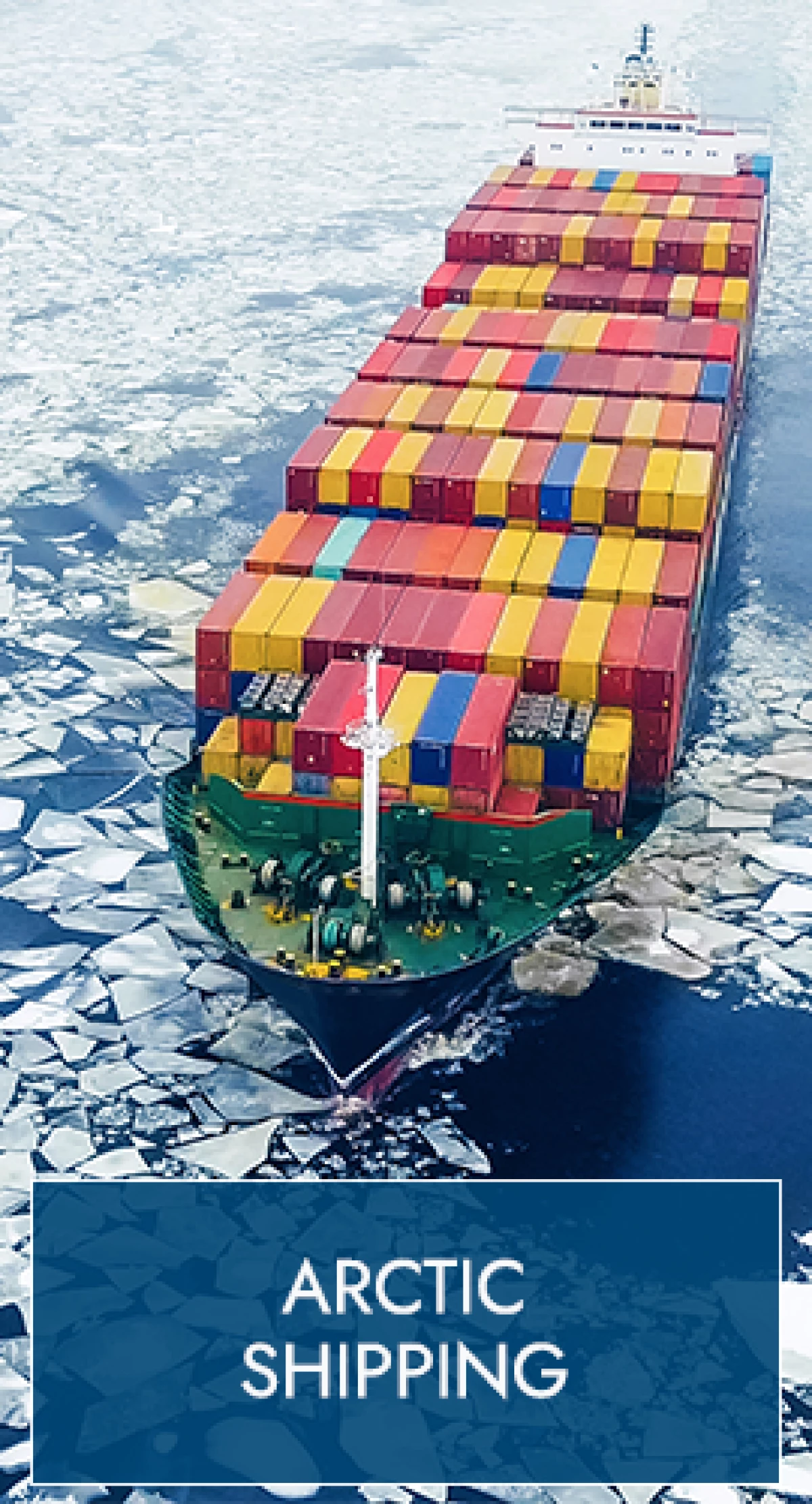
The Arctic Marine shipping Assessment (AMSA) provides policy advice and recommendations on marine safety and marine environmental protection as it related to shipping in the Arctic marine environment. Learn more about this circumpolar shipping assessment. Read more 

Arctic Marine Strategic Plan

Arctic Marine Strategic Plan

The AMSP considers innovative approaches to integrated oceans management Council as a means to support effective governance for the Arctic marine environment through cooperative, coordinated and integrated approaches.


Learn more about AMSP.

Arctic Ocean Review Project

Arctic Ocean Review Project

The AOR project is led by Canada, Iceland, Norway, Russia and the United States and was agreed by the Arctic Council at its 2009 Ministerial Meeting, as a follow up to the 2004 Arctic Marine Strategic Plan.


Learn more about the AOR.

Ecosystem Approach

Ecosystem Approach

Increasing human activity in the Arctic Ocean and activities in new areas pose challenges to its health and warrants an ecosystem approach to integrated ocean management to maximize environmental protection and sustainable use of the marine environment.


Learn more about the Ecosystem Approach.

Offshore Oil and Gas

Offshore Oil and Gas

The Offshore Oil and Gas Guidelines are intended to be of use to the Arctic nations for offshore oil and gas activities during planning, exploration, development, production and decommissioning. Learn more about these Guidelines and other relevent oil and gas activities.


Learn more about Offshore oil and gas.

Regional Program of Action

Regional Program of Action

The RPA is a dynamic programme of action that uses a step-wise approach for its development and implementation and is the regional extension of the Global Programme of Action for the Protection of the Marine Environment from Land-based Activities (GPA).


Learn more about RPA.

About PAME

about-pameThe Protection of the Arctic Marine Environment Working Group (PAME) is one of six Arctic Council working groups. PAME was first established under the 1991 Arctic Environmental Protection Strategy and was continued by the 1996 Ottawa Charter that established the Arctic Council.

PAME is the focal point of the Arctic Council's activities related to the protection and sustainable use of the arctic marine environment. 


PAME carries out activities as set out in bi-annual work plans approved by the Arctic Council on the recommendation of the Senior Arctic Officials.


Learn more about PAME.


Clik here for Record of Decisions (RoD's) from PAME I-2013 in Rovaniemi, Finland (12-14 Februar 2013).     

Workshops in Reykjavík in June

Three AC Workshops from 10th and 14th of June:


10-11 June (2 days) – 3rd Ecosystem Approach to Management workshop. The overall aim of this workshop is to discuss data management, availability, integration, and communications as essential to implement the ecosystem approach to management, taking into account outcomes of the Ministerial meeting and EA-relevant activities on respective work plans.


12-13 June (1 ½ day, ending at noon on the 13 June) – AMSA II(C)/AMSA II(D)-PSSA bridging workshop with the aim to assist in the scope of the AMSA II(D) project, The purpose of this workshop is to explore the sensitivity and ecological importance in more detail and with more resolution, in relation to potential threats and measures with regard to shipping.


13-14 June (1 ½ day starting at noon on the 13 June) – 1st Scoping workshop for the revision of the 2004 Arctic Marine Strategic Plan with the aim to get input from other Arctic Council working groups and stakeholders as relevant and based on the main outcomes and relevant documents deliverd to the 2013 Kiruna Ministerial meeting.

Arctic Ocean Review Final Report

Arctic Ocean Review Final Report is in its final stages. The report is being prepared for printing and will be published soon, however the final text is ready and was delivered to the 2013 Ministerial in Kiruna, Sweden.


AOR 2013 Cover


This AOR Final Report provides an analysis of some of the key existing instruments relevant to the Arctic marine area. It also identifies a variety of opportunities for further cooperative actions and provides recommendations for consideration by the Arctic Council Ministers.


Preliminary release can be downloaded here

In the News


  ACIA logo aac saami council logo aia logo gci icc raipon
flags-gr flags-dk flags-fo flags-ca flags-fi flags-is flags-no flags-ru flags-se flags-us